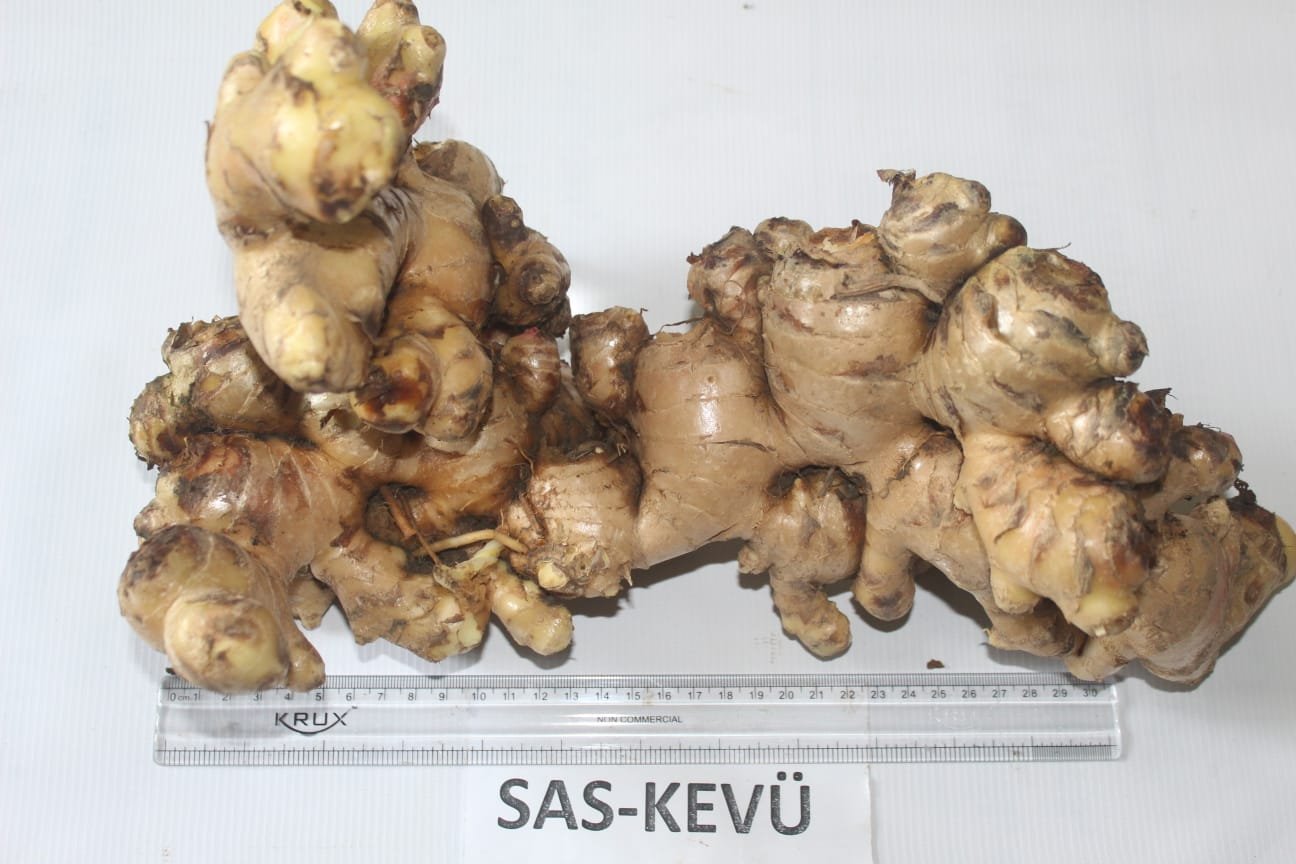
Lumami, Nov 18: Nagaland University has developed a high-yield ginger variety, SAS-KEVÜ, aimed at increasing farmer incomes and supporting India’s ginger value chain. The variety, which matures in nine months, combines high yield, market acceptance, and desirable rhizome traits, making it suitable for both farmers and the food processing industry.
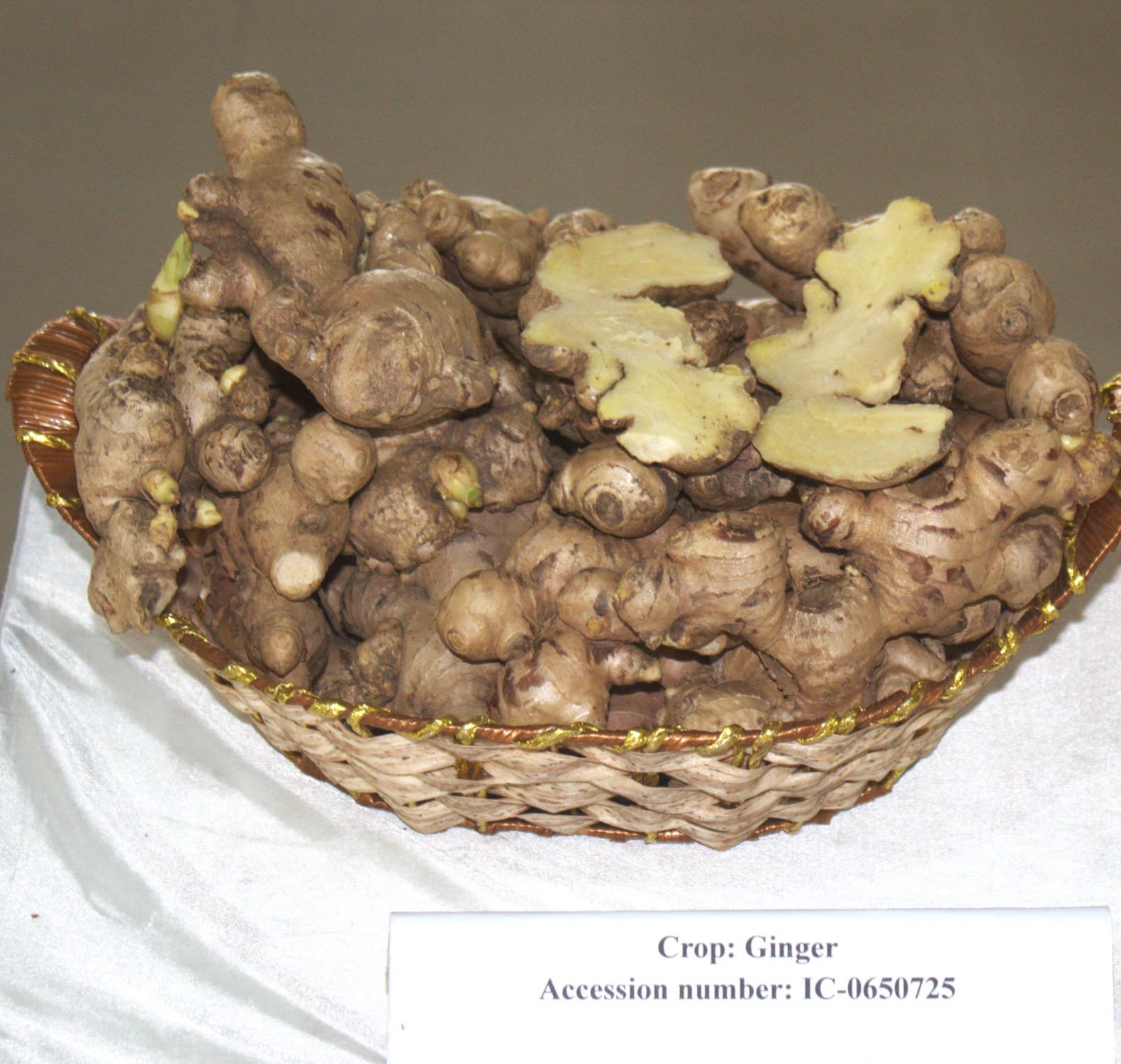
Developed under the All India Coordinated Research Project (AICRP) on Spices, SAS-KEVÜ underwent nearly a decade of testing across seven locations in India. The research was led by Prof. C. S. Maiti and Dr. Graceli I. Yepthomi from the School of Agricultural Sciences, Nagaland University.
The variety was formally notified by the Sub-Committee on Crop Standards, Notification and Release of Varieties (Horticultural Crops), Ministry of Agriculture and Farmers Welfare, and published in the Gazette of India on 2 September 2025. SAS-KEVÜ has a yield potential of 17.21 tonnes per hectare, outperforming the national check variety by over nine per cent. Its dry recovery rate of 21.95 per cent benefits processors, while its bold, lemon-yellow, low-fibre rhizomes are suitable for pickles, beverages, culinary use, and value-added products.
Prof. Jagadish K Patnaik, Vice Chancellor of Nagaland University, said, “SAS-KEVÜ is the result of nine years of coordinated national trials. It is expected to deliver higher yields, improved quality, and greater resilience, offering farmers a reliable variety to enhance their incomes.”
Food processing industries are expected to benefit from the variety’s moderate oil content and pulpy rhizomes. Farmers gain from its high market acceptance and improved returns per hectare, while the crop fits seamlessly into existing ginger production cycles.
Prof. C. S. Maiti explained that SAS-KEVÜ originated from a 2014 collection of 19 local ginger clones in Nagaland. The strongest performer, NDG-11, was evaluated in national trials from 2018 to 2022 across Andhra Pradesh, Kerala, Mizoram, Nagaland, Odisha, West Bengal, and Sikkim, confirming its adaptability to diverse agro-climatic zones.
Dr. Graceli I. Yepthomi added that SAS-KEVÜ is now approved under the Seeds Act, 1966 for seed production and sale in Nagaland, Mizoram, West Bengal, and Andhra Pradesh. This marks it as the first ginger variety developed by Nagaland University and the first from a North-East research institute.
Preparations are underway for seed rhizome multiplication to ensure farmers have access to planting material for the next cropping season. Nagaland University anticipates SAS-KEVÜ will support ginger cultivation across the Northeast and other notified states, promoting both economic development and agricultural resilience.