*Eviction Drive Underway To Reclaim 105 Acres Of Govt Land In Assa
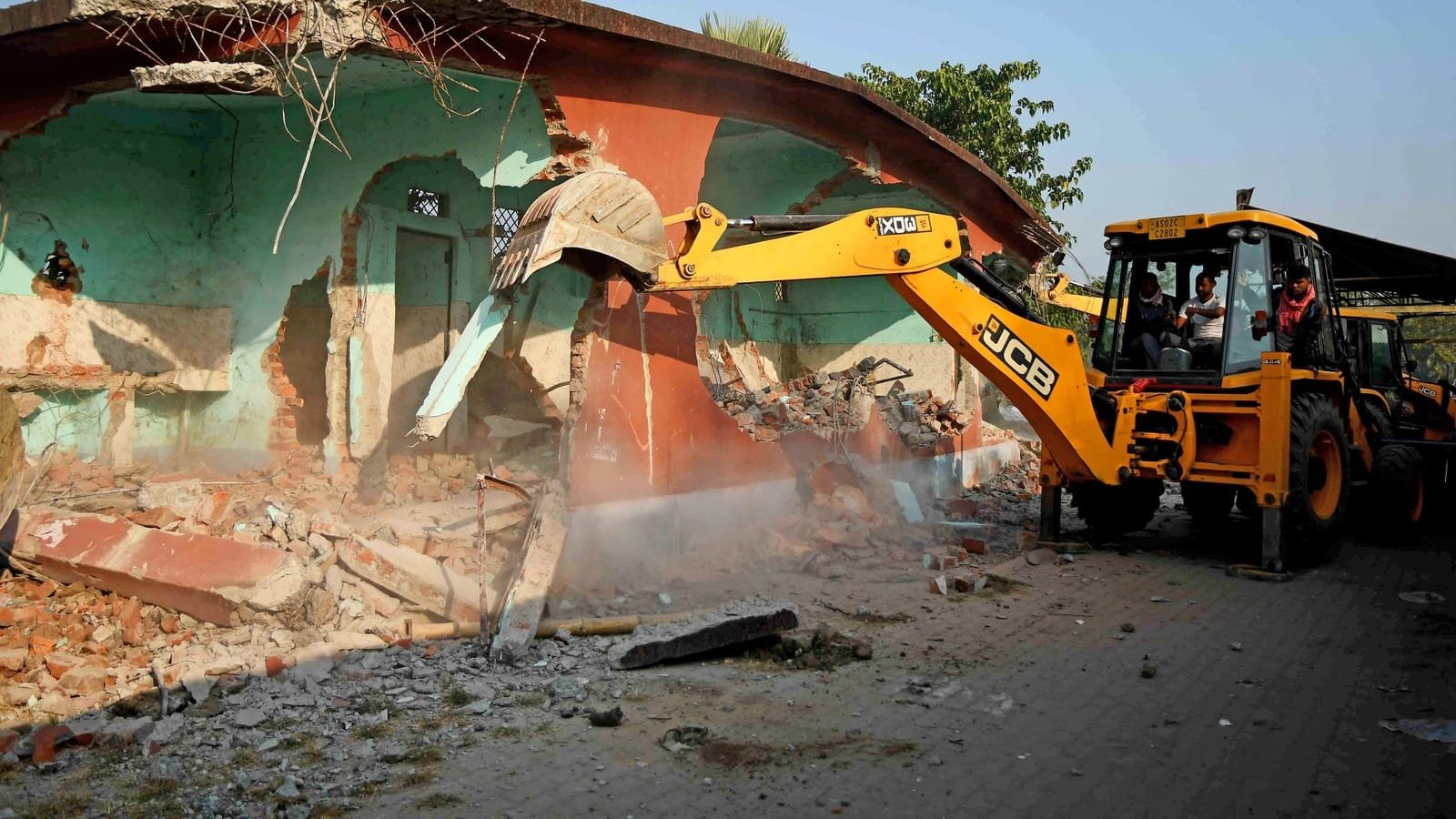
Guwahati, Dec 17: The Assam government on Tuesday carried out an eviction drive in Nagaon district to reclaim 105.18 acres of encroached government land under the Dhing Revenue Circle.
The eviction operation was conducted in several locations, including Salnabori, Tuktuki, Bherberi beel, Ahom Gaon, Roumari beel, Moiradhaj Katahguri, Akarabari and Magurmari beel. Officials said encroachers had dug about 565 unauthorised ponds for fishery purposes and constructed embankments that obstructed the natural flow of water from streams and wetlands.
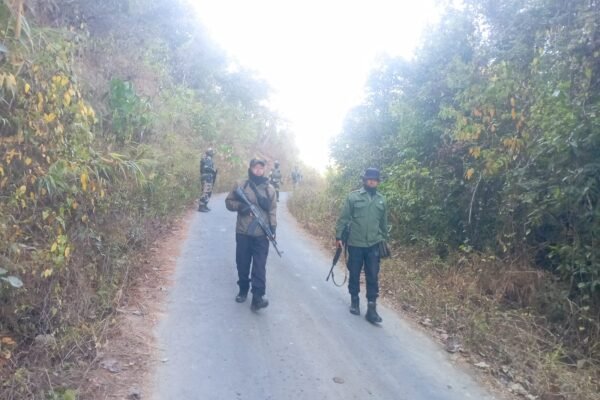
According to the district administration, the obstructions led to artificial flooding and damage to rural roads, affecting residents of nearly 15 surrounding revenue villages. Over 250 security personnel were deployed to maintain law and order during the operation.
Nagaon District Commissioner Devashis Sarma, who visited the eviction sites, said the encroachments had been causing recurrent flooding in the area for several years. He stated that around 200 families involved in managing the illegal ponds vacated the land voluntarily, as they have residences elsewhere in the district.
Officials said the marshy and narrow terrain initially prevented the use of bulldozers. More than 100 labourers were engaged to manually dismantle structures using hand tools, following which heavy machinery was deployed.
The district administration said the eviction drive will continue till December 19 and may be extended if required to fully restore the area and prevent future flooding.
This is the second eviction drive carried out in Nagaon within a month. On November 29, authorities cleared about 795 hectares of reserved forest land in the Lutimari area, affecting over 1,500 families.
Statewide eviction drives resumed on June 16 this year, impacting more than 5,000 families. Chief Minister Himanta Biswa Sarma has said that over 160 square kilometres of land have been reclaimed across Assam since May 2021, and that eviction drives will continue in a phased manner from forests, grazing reserves, satras, namghars and other public lands.
Several displaced residents, many of them Bengali-speaking Muslims, have said their families settled in these areas after losing char lands due to erosion by the Brahmaputra river.