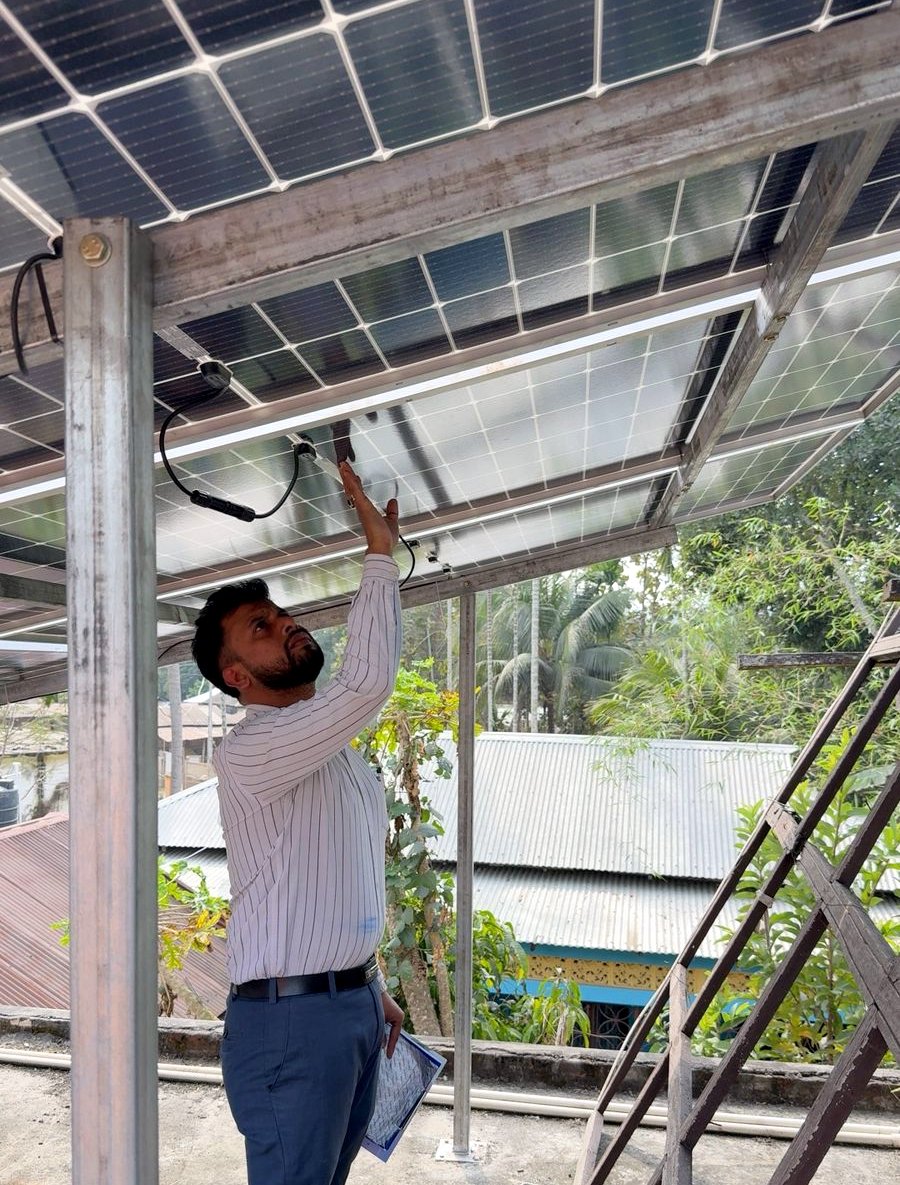
Agartala, February 25, 2026: Tripura has achieved a historic milestone in renewable energy generation under the PM Surya Ghar Muft Bijli Yojana, with rooftop solar installations across the state surpassing the 8 megawatt mark. The achievement signals a new era of energy self-reliance at a time when conventional power plants face pressure due to natural gas shortages.
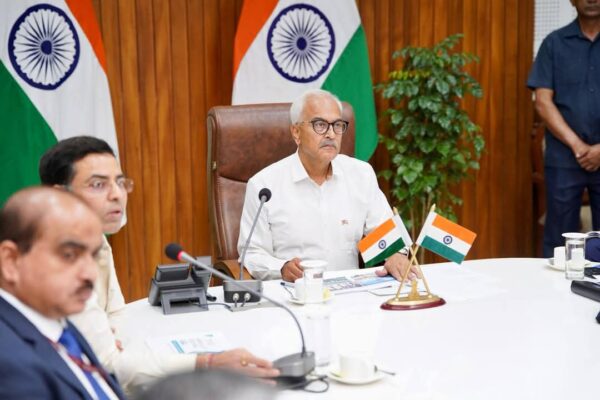
According to Tripura State Electricity Corporation Limited (TSECL) Managing Director Biswajit Basu, 2,350 consumers have already installed solar panels on rooftops, tin sheds, and courtyards, collectively generating over 8 MW of electricity. Agartala’s Circle-I leads the initiative with 1,389 participants, followed by contributions from West Circle-II (140), Gomati (180), South/Bilonia (190), Sepahijala (145), North/Dharmanagar (72), Dhalai (68), Khowai (78), and Unakoti (88).
Basu noted that 2,053 consumers have received government subsidies amounting to ₹17.27 crore. Many households have reduced their electricity bills to zero, while others are selling surplus power back to the grid for additional income. A 1-kilowatt solar plant typically generates around 100 units of electricity per month, sufficient to meet the needs of an average household.
Looking ahead, the state has set an ambitious target of 50 MW solar generation by 2027. To accelerate progress, special registration camps are being held across electricity sub-divisions, and a dedicated control room has been opened at TSECL’s corporate office in Agartala to provide information and facilitate direct enrollment.
Encouraging wider participation, Basu urged consumers to transform their rooftops into “mini power stations” by installing subsidized solar panels. He emphasized that the scheme not only reduces household expenses but also fosters self-reliance. Applications can be submitted online through the government portal, with installation, net-metering, and verification handled by empaneled vendors. Subsidy amounts are directly credited to beneficiaries’ bank accounts.
Officials describe the achievement as the beginning of a “silent revolution” in Tripura’s energy sector. With growing public participation, the vision is clear: every home could become a small power plant, collectively driving the state toward energy independence.