The job market is evolving faster than ever before. Roles are changing, new technologies are emerging, and employers are prioritising candidates who demonstrate adaptability, practical expertise, and a commitment to continuous improvement. Simply relying on academic qualifications is no longer enough — professionals must actively build Skills Development Skills that align with industry expectations.
Today, organisations value individuals who invest in skills training, pursue professional development, and embrace lifelong learning to remain competitive. With the growing influence of automation, artificial intelligence, and digital transformation, professionals must continuously upgrade their knowledge to maintain strong industry relevance.
Whether you are starting your career or looking to grow professionally, developing the right skills can significantly improve career opportunities, earning potential, and long-term job security.
This blog explores the most valuable skill development skills that can help you stay relevant and achieve professional success.
Why Skill Development is Essential for Career Growth
Modern workplaces demand more than technical knowledge. Employers look for individuals who can solve problems, communicate effectively, adapt to change, and contribute to organisational growth.
Skill development helps professionals:
- Stay relevant in changing industries
- Improve job performance and productivity
- Adapt to future technology trends
- Increase employability and career mobility
- Build confidence and expertise
Professionals who continuously upgrade their capabilities are more likely to achieve long-term career stability and success.
Best Skill Development Skills to Improve Career Opportunities
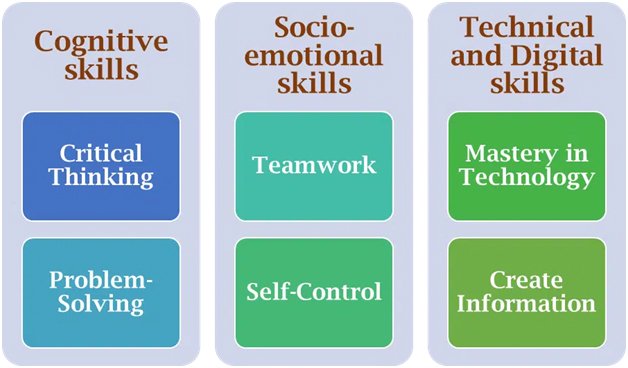
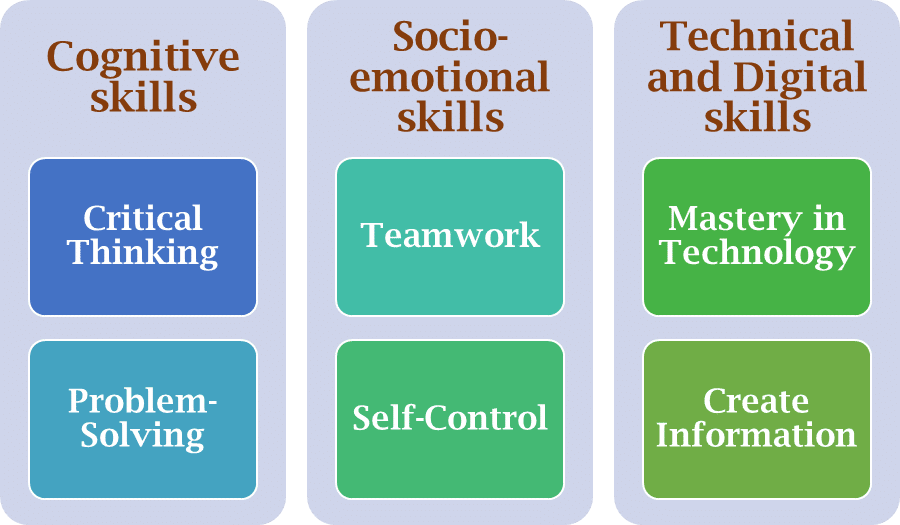
ALT Tag: Skills Development Skills
Credits: *K8School
Link: https://k8school.com/?seraph_accel_gi=wp-content%2Fuploads%2F2023%2F05%2Fimage-12.png&n=k6NQaeEdm3htF4hQUAnZA
Here are the best skill development skills you should add to your resume for enhanced career opportunities.
1. Communication Skills
Strong communication is essential in every profession. Professionals must clearly express ideas, present insights, and collaborate effectively with teams.
Communication skills support:
- Effective teamwork
- Clear presentation of ideas
- Improved workplace relationships
- Strong leadership abilities
Employers highly value individuals who can communicate clearly and confidently.
2. Digital and Technical Skills
As organisations adopt digital transformation, technical expertise has become an important component of professional development.
Key technical skills include:
- Basic data analysis
- Digital tools and platforms
- Artificial Intelligence fundamentals
- Cloud computing basics
- Automation tools
Digital literacy improves efficiency and ensures strong industry relevance.
3. Critical Thinking and Problem-Solving Skills
Problem-solving is one of the most important Skills Development Skills in modern workplaces. Employers prefer professionals who can analyse situations and provide practical solutions.
Benefits include:
- Better decision-making
- Improved productivity
- Ability to solve workplace challenges
- Strong analytical thinking
Critical thinking helps professionals contribute effectively to organisational growth.
4. Time Management and Productivity Skills
Time management improves efficiency and helps professionals meet deadlines effectively.
Key productivity skills include:
- Task prioritisation
- Goal setting
- Work planning
- Avoiding distractions
Professionals with strong time management skills perform consistently and deliver better results.
5. Leadership and Team Collaboration Skills
Leadership skills are valuable even for non-managerial roles. Professionals who demonstrate leadership qualities often experience faster career growth.
Important leadership capabilities include:
- Decision-making
- Team coordination
- Conflict resolution
- Strategic thinking
Leadership skills improve career progression opportunities.
6. Adaptability and Learning Agility
The ability to adapt to change is essential in a rapidly evolving job market. Professionals who embrace lifelong learning remain prepared for emerging job roles and technologies.
Adaptability supports:
- Career transitions
- Technology adoption
- Continuous improvement
- Professional resilience
Learning agility helps professionals remain competitive.
7. Networking and Relationship Building
Professional networking helps individuals explore new opportunities and learn from industry experts.
Benefits include:
- Career opportunities
- Knowledge sharing
- Professional visibility
- Collaboration possibilities
Strong networks support long-term career growth.
8. Data Literacy Skills
Understanding data is becoming essential across industries. Basic data literacy helps professionals interpret information and support decision-making processes.
Key competencies include:
- Understanding reports
- Interpreting trends
- Using dashboards
- Supporting data-driven decisions
Data literacy strengthens analytical capabilities.
9. Creativity and Innovation Skills
Creativity encourages professionals to develop innovative solutions and improve business processes.
Innovation skills support:
- Problem-solving
- Product improvement
- Strategic thinking
- Competitive advantage
Creative thinking helps organisations adapt to changing market conditions.
10. Continuous Learning Mindset
A commitment to continuous improvement ensures long-term professional success. Professionals who prioritise skills training and free certification programmes gain valuable knowledge that enhances career prospects.
Continuous learning helps individuals:
- Stay updated with industry developments
- Improve expertise
- Explore new career paths
- Remain future-ready
Importance of Lifelong Learning for Professional Development
Continuous learning plays a key role in improving career opportunities and maintaining strong industry relevance. As job roles evolve due to digital transformation and future technology, professionals must regularly upgrade their capabilities to remain competitive.
Jaro Education supports this journey through its innovative Skill Gap Calculator, a tool designed to help learners identify missing competencies and understand which skills they need to develop for career growth. By analysing current capabilities against industry expectations, professionals can make informed decisions about the right skills training and professional development pathways.
The Skill Gap Calculator is an important tool that showcases why technology is important for skill enhancement and lifelong learning.
Benefits of Skills Training and Free Certification
Enrolling in skills training programmes or obtaining free certification can help professionals gain practical knowledge and improve employability.
Benefits include:
- Improved resume value
- Better career opportunities
- Increased confidence
- Stronger professional credibility
- Career advancement support
Skill development helps professionals remain competitive in a rapidly evolving job market.
Conclusion
Developing the right Skills Development Skills is essential for achieving long-term career success. From communication and leadership to digital literacy and adaptability, professional skills help individuals stay aligned with industry expectations.
Investing in professional development, gaining certifications, and embracing lifelong learning ensures continued growth in a competitive environment. As industries continue evolving with future technology, professionals who prioritise skill enhancement will have stronger career opportunities.
Continuous learning is no longer optional — it is a necessity for sustainable career growth.
Frequently Asked Questions (FAQs)
1. What are skill development skills?
Skill development skills refer to abilities that help individuals improve professional performance and career growth. These include communication, leadership, problem-solving, technical expertise, and adaptability.
2. Why is professional development important?
Professional development helps individuals upgrade their knowledge, improve job performance, and remain relevant in evolving industries. It supports long-term career growth and stability.
3. How can skills training improve career opportunities?
Skills training helps professionals gain practical expertise that employers value. It enhances employability, improves confidence, and supports career advancement.
4. Are free certification courses useful?
Yes, free certification programmes help learners gain new skills and demonstrate commitment to learning. Certifications improve resume value and increase job opportunities.
5. What is lifelong learning?
Lifelong learning refers to the continuous process of gaining knowledge and improving skills throughout one’s career. It helps professionals adapt to technological changes and industry demands.