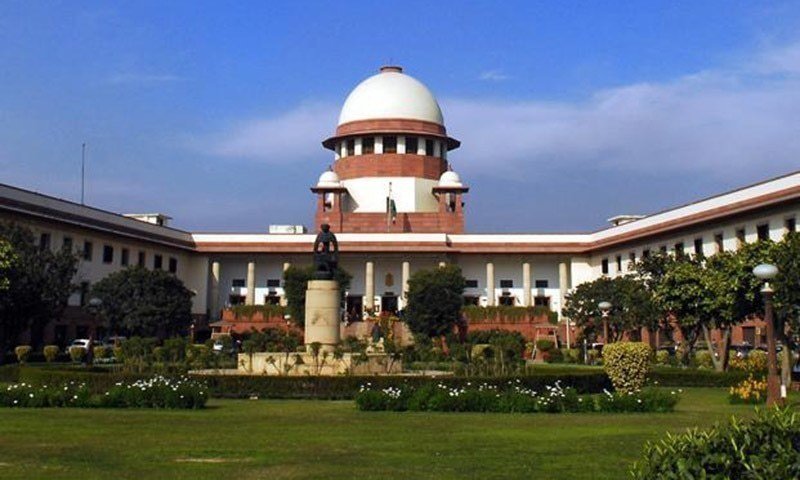
Guwahati, March 21: The Supreme Court of India on Friday issued a stern reminder regarding the evolving nature of marital obligations, orally observing that a wife’s refusal or inability to perform household chores, such as cooking and washing, does not constitute “cruelty” under the law. The remarks came during the hearing of an appeal filed by a husband seeking a divorce decree, after the High Court previously overturned a lower court’s decision in his favour.
Justice Sandeep Mehta, presiding over the matter, emphasized the need for a shift in domestic perspectives, stating that a husband is not marrying a maid but a life partner. Justice Vikram Nath echoed these sentiments, noting that in modern times, husbands are equally expected to contribute to household affairs like cooking and cleaning. The bench underscored that domestic labour should be a shared responsibility rather than a unilateral burden placed upon the wife.
The case involves a husband, employed as a government school teacher, and his wife, a college lecturer. The couple, who married in 2017 and have an eight-year-old son, have been embroiled in legal battles since the husband initiated divorce proceedings shortly after the marriage. He alleged that his wife began mistreating him and his parents within a week of their wedding, used offensive language, and eventually refused to perform domestic duties. He further claimed he was excluded from their child’s cradle ceremony.
In her defense, the wife who is professionally better placed than her husband and has notably not sought any alimony or maintenance contested these claims. She alleged that her departure for her parents’ home during her pregnancy was consensual, but claimed the husband’s family failed to attend the child’s ceremony and instead pressured her to surrender her salary and provide cash and gold.
While a Family Court had originally granted the divorce on the grounds of cruelty, the High Court later set that decree aside, prompting the husband’s appeal to the apex court. Despite a failed attempt at mediation, the Supreme Court has now directed both parties to appear in person on the next hearing date to further examine the breakdown of the relationship.