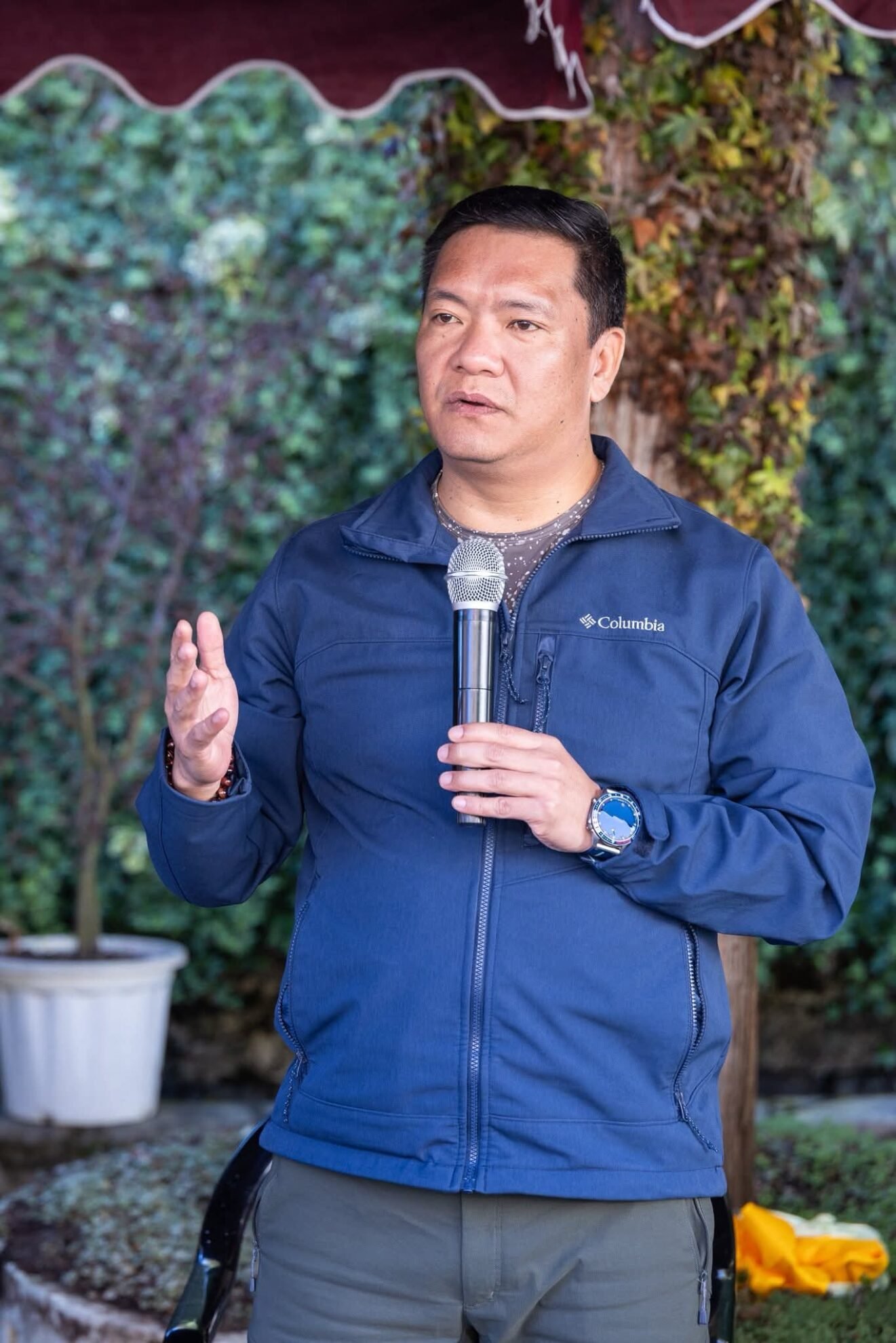
Itanagar, Nov 22: The Arunachal Pradesh government is set to launch a comprehensive digital overhaul of the Inner Line Permit (ILP) system to strengthen monitoring and accountability of non-Arunachali visitors in the state, Chief Minister Pema Khandu announced on Friday.
Speaking to the media in Koloriang, Kurung Kumey district, Khandu said the digital integration has been under way for nearly three years and is now in its final stage. Technology partners have completed backend integration, and the new digital ILP platform is expected to go live in the coming months.
The upgraded system will provide real-time data on visitors, migrant workers, and existing ILP holders. “The system will record who has entered, the duration of their stay, and whether their ILPs are valid or expired. Overstayers will now be traceable,” Khandu said, adding that a detailed note on the reform will be released after rollout.
Addressing concerns over reports of illegal Bangladeshi nationals in the state, Khandu urged the public not to be swayed by social media rumours and assured that verification and enforcement are being conducted rigorously. He noted that intensive ILP checks have already been carried out across districts following directives issued to the DGP, Home Department, ACPs, and SPs.
The chief minister stated that around 5,000 ILP violators were detected between January and November this year, all of whom were sent back. “We do not discriminate based on religion or nationality. Anyone violating ILP norms is sent back,” he added.
Once digitised, the ILP system is expected to strengthen monitoring, improve transparency, and curb illegal entry or overstaying.
Protected under the Bengal Eastern Frontier Regulation (BEFR), 1873, Arunachal Pradesh requires all non-residents, including Indian citizens from other states, to obtain an ILP before entry. The system is intended to safeguard the state’s indigenous communities, land rights, and cultural identity. Officials said the digital upgrade will modernise enforcement while retaining these historical safeguards.