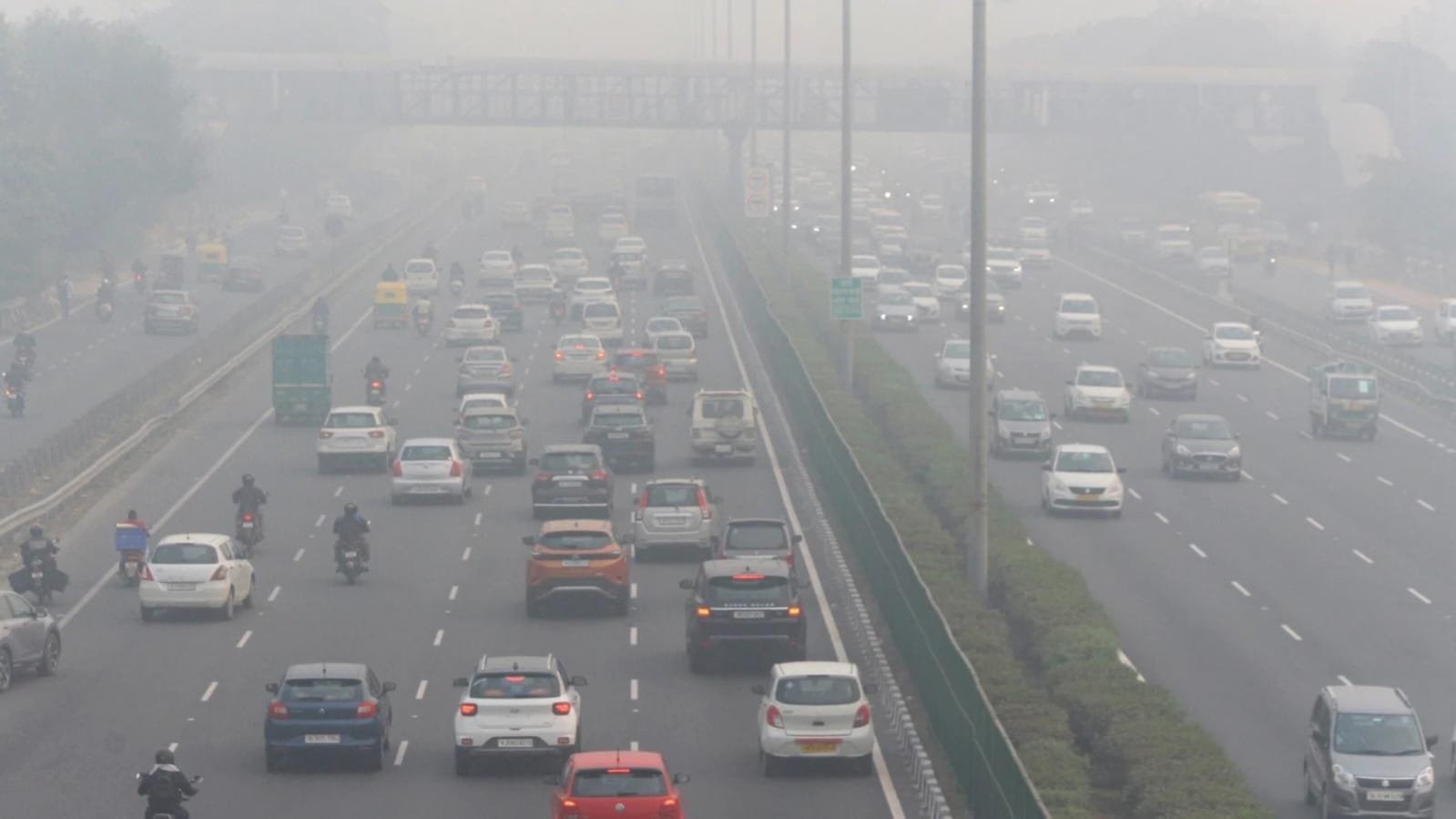
The air quality crisis in India is worsening, with northeastern states emerging as new pollution hotspots, according to a report by the Centre for Research on Energy and Clean Air (CREA). The study shows that none of the country’s 749 districts meet the WHO’s annual PM2.5 guideline of 5 µg/m³, while nearly 60 percent exceed the national limit of 40 µg/m³.
Assam and Tripura are among the northeastern states showing elevated PM2.5 levels almost year-round. Delhi and Assam together account for 22 of the 50 most polluted districts, while Haryana and Bihar contribute seven each. Winter remains the most polluted season, with 82 percent of districts exceeding the national standard, though pollution persists through summer and quickly rebounds after the monsoon.
The report highlights a stark regional contrast, with the Indo-Gangetic plains as the most polluted region, northeastern states as emerging hotspots, and southern states like Puducherry, Tamil Nadu, Karnataka, Telangana, Kerala, and Andhra Pradesh reporting comparatively cleaner air.
CREA calls for airshed-level governance, satellite-based monitoring, sector-specific emission reductions, and stronger accountability measures to tackle the crisis, warning that without systemic reforms, millions outside metropolitan areas will continue to face hazardous air pollution.