Itanagar, Jan 9: The Public Investment Board (PIB) has approved the 1,720 MW Kamala hydroelectric project, marking a significant milestone for Arunachal Pradesh and India’s clean energy ambitions, Deputy Chief Minister Chowna Mein said on Thursday.
The storage-based project will be jointly executed by NHPC and the Arunachal Pradesh government and is expected to generate 6,869.92 million units of green energy annually, supporting the nation’s renewable energy goals and the net-zero target by 2070.
“This landmark project will contribute meaningfully to India’s energy transition and the Net Zero target of 2070,” Mein posted on social media. He highlighted the project’s role in moderating floods in the Brahmaputra Valley, improving regional climate resilience, and strengthening disaster management.
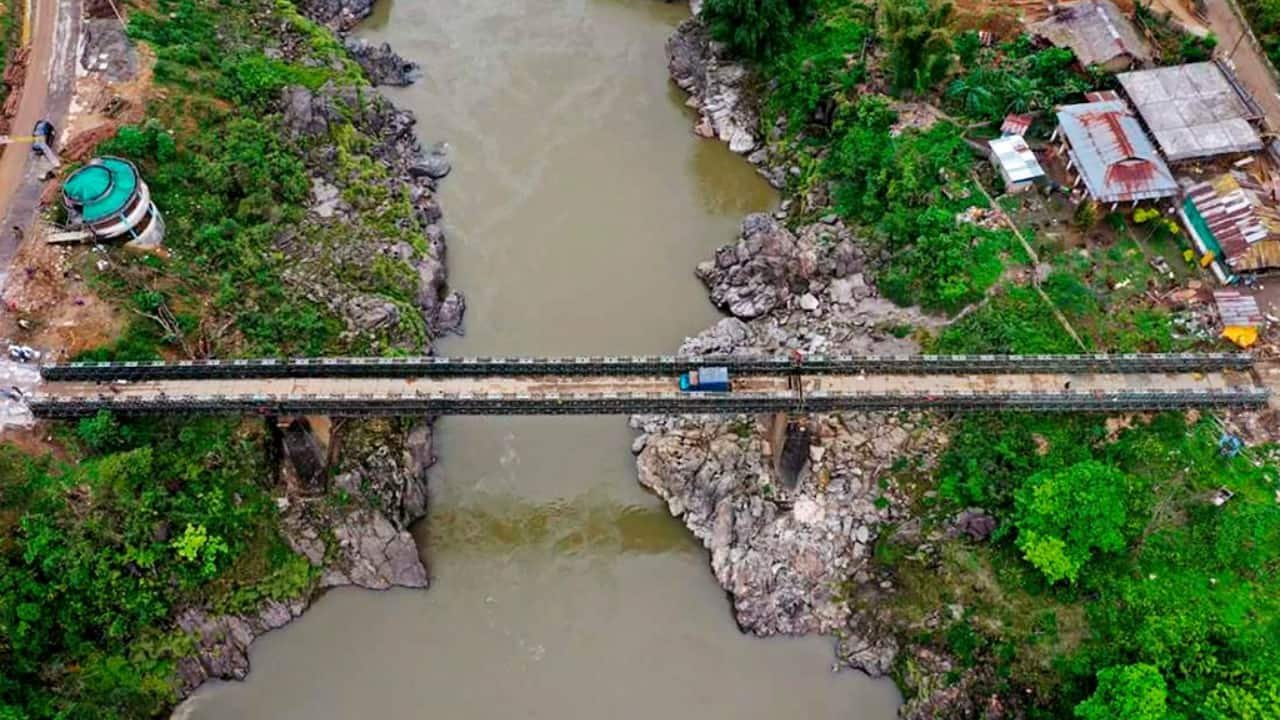
The Kamala Hydro Project, located on the Kamala River—a key tributary of the Subansiri—spans Kamle, Kra Daadi, and Kurung Kumey districts. It includes a 216-meter-high concrete gravity dam and an underground powerhouse, with completion expected in eight years.
PIB approved an expenditure of ₹26,069.50 crore, financed through a 70:30 debt-equity ratio. This includes Government of India grants of ₹1,340 crore for enabling infrastructure and ₹4,743.98 crore for flood moderation, along with 100% SGST reimbursement from the state.
Key benefits of the project include flood control in the Brahmaputra basin, 12% free power allocation to Arunachal Pradesh (valued at ₹486 crore annually), and ₹40 crore per year for the local area development fund (LADF).
Mein, who oversees power and hydropower in the state, thanked the Centre, NHPC, and other stakeholders, calling the Kamala project a “commitment to sustainable development, energy security, and inclusive growth.”