Kaziranga, Feb 26: A total of 1,05,540 waterbirds from 107 species were recorded across 166 wetlands in the 7th Kaziranga Waterbird Count 2026, underscoring the critical role of Kaziranga National Park in the Central Asian Flyway.
The survey, conducted from January 4 to 11 across 10 ranges in Eastern Assam, Biswanath, and Nagaon Wildlife Divisions, reported abundant species such as Bar-headed Goose, Northern Pintail, and Lesser Whistling Duck. The count also highlighted conservation priorities, including one critically endangered, one endangered, two vulnerable, and 14 near-threatened species listed by the IUCN.
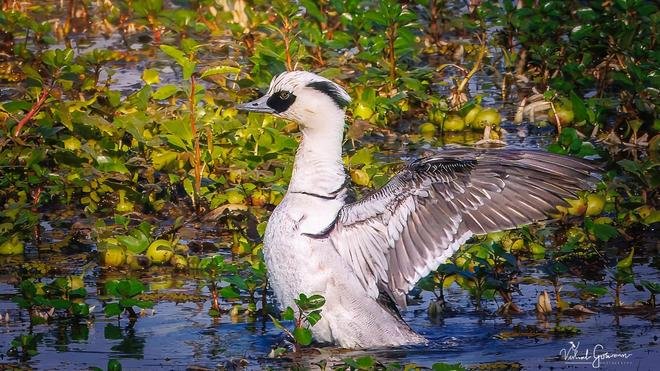
Experts drew special attention to the first-ever sighting of Smew in Kaziranga, a vagrant species indicating wetland health and possible climate shifts.
Top wetlands by bird numbers included Rowmari Beel in Laokhowa (15,661), Donduwa Beel (14,469), Katakhal (4,979), Sohola Combined (3,612), and Khalihamari (3,463). Rowmari also led in species diversity with 77 species, followed by Donduwa (71), Sohola (69), Kawoimari-Bhoisamari-Diffulo (57), and Ververy (53).
Over 120 enumerators, 50 volunteers, staff, and bird enthusiasts participated in the citizen science initiative, supported by Numaligarh Refinery Limited’s CSR program since 2023. The report, compiled by Kaziranga authorities and the Assam Bird Monitoring Network under Dr. Nilutpal Mahanta, Dr. Smarajit Ojah, and Dr. Bishwajit Chakdar, was released on February 22 at JDSG College, Bokakhat, by MP Kamakhya Prasad Tasa and IUCN SSC Chair Vivek Menon.
Kaziranga National Park & Tiger Reserve Field Director Dr. Sonali Ghosh emphasized protecting floodplains from siltation, invasive species, and climate threats. Ornithologist Dr. Mahanta noted that Smew’s sighting signals potential risks like hunting and oil pollution, while Dr. Ojah highlighted the need for floodplain resilience to support migratory birds from Siberia and Central Asia.
Assam Forest Minister Chandra Mohan Patowary tweeted: “Thrilled by the 7th Kaziranga Waterbird Count! First-ever Smew sighting in a record 1,05,540 birds reaffirms our wetlands as biodiversity hotspots.”
Started in 2018-19, the annual count has become a key tool for managing Kaziranga’s wetlands in this UNESCO World Heritage Site, home to over 500 bird species and the Big Five mammals.