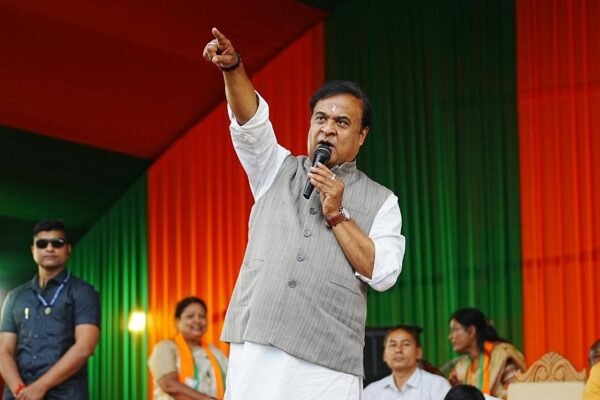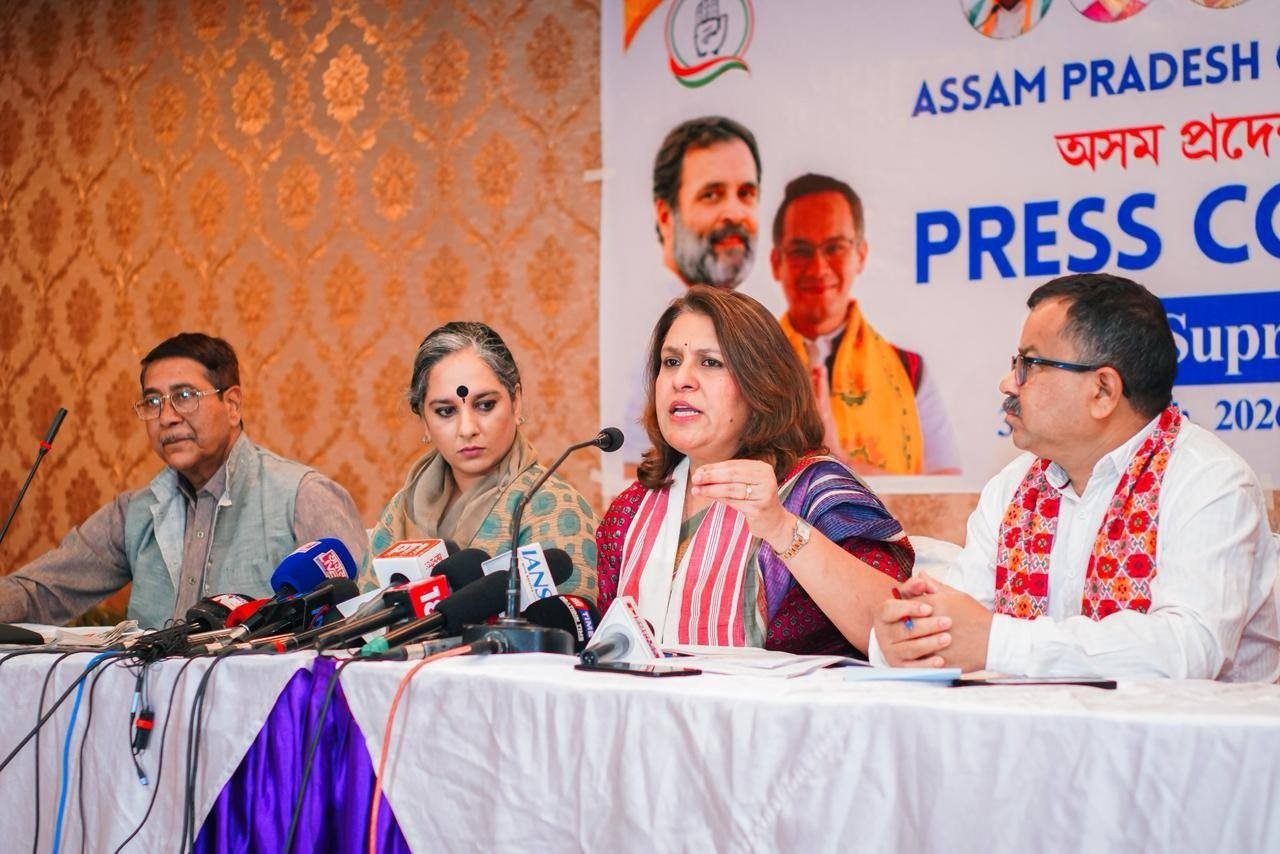
Guwahati, March 30: In a sharp escalation of the 2026 election campaign, Congress national spokesperson Supriya Shrinate on Monday launched a blistering attack on Assam Chief Minister Himanta Biswa Sarma, questioning a dramatic rise in his family’s wealth over the past decade.
Addressing a press conference in the capital, Shrinate alleged that while the Chief Minister claims to be working for the state, his personal election affidavits reveal a “Malamal” (rich) trajectory primarily driven by his spouse’s assets. According to Shrinate, the family’s wealth accumulation suggests an “asset accumulation model” rather than a developmental “Assam model.”
Citing data from official filings, the Congress leader pointed out that while the Chief Minister’s personal assets rose from ₹1.02 crore in 2016 to ₹2.36 crore in 2026, he continues to declare zero immovable assets in his own name. “In contrast, his wife’s assets increased from ₹1.77 crore to ₹13.59 crore during the same period,” Shrinate claimed, further alleging that her immovable assets jumped from ₹3.5 crore in 2016 to a staggering ₹19.25 crore in 2026.
Shrinate raised concerns over the “six-fold increase” in family wealth during Sarma’s time in public office, questioning what specific economic activities justified such growth while the state’s youth grapple with high unemployment and a lack of industrial investment. She accused the Chief Minister of being “busy with his family’s wealth” while ignoring core issues like job creation and sustainable livelihoods for the people of Assam.
The Congress social media head also addressed the controversy surrounding a recently deleted AI-generated “point-blank” video purportedly featuring the Chief Minister. Shrinate asserted that the Congress would never adopt an aggressive digital strategy that compromises the truth, accusing the BJP of using social media to “paint a rosy picture” that contradicts the ground reality.
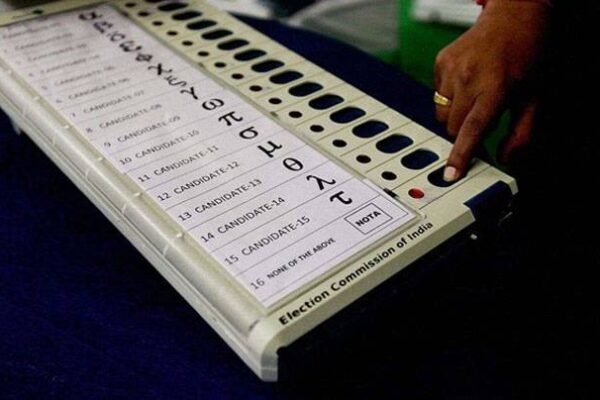
As the state moves toward the April 9 ballot, Shrinate stated that the people would hold the Chief Minister accountable for this “wealth trajectory” and the perceived gap between personal gain and public welfare.