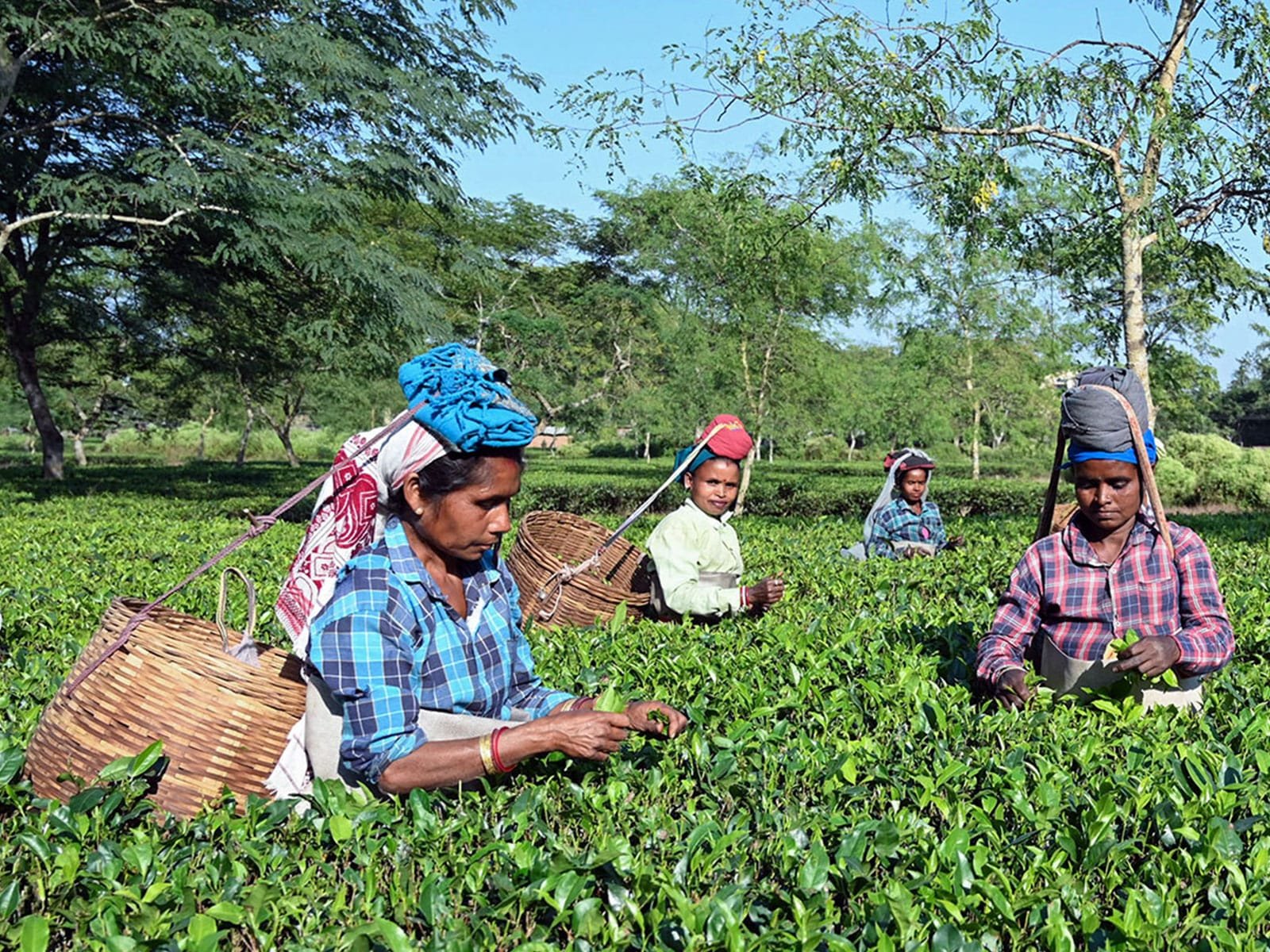
Dibrugarh, Mar 25: Tea garden workers in Assam, forming one of the state’s largest voter groups, are emerging as a key factor in the upcoming Assembly elections, with wage increases and improved facilities dominating political discussions in Upper Assam’s tea belts.
Workers in Dibrugarh estates reported daily wages of Rs 250, which they said have not kept pace with rising living costs. Deepanjali Manki, a tea garden worker, said, “We work in harsh conditions under the sun and rain. The ground turns slippery with pits, making it tough.”
Arti, a tea plucker with 13 years of experience, highlighted the distance and poor road conditions: “We walk nearly two km daily on poor roads, and Rs 250 isn’t enough to support a family.”
Women, who form the majority of the workforce, raised concerns over heavy workloads, long hours, limited healthcare access, and inadequate basic facilities. Supervisor Danish Khadiya pointed to challenges such as rising education costs, irregular ration supplies, delayed land pattas, and health risks associated with the work.
Acharya Sahu, president of the Assam Chah Janjati Chatra Union, demanded proportional wage increases, along with improvements in toilets, roads, and provision of protective gear like raincoats and boots.
Candidates are responding to these concerns. Khowang constituency candidate Chakradhar Gogoi highlighted plans to focus on electricity, schools, employment, and road development, emphasizing the electoral influence of the tea worker community.
With thousands of workers and their families eligible to vote, their issues could influence the outcome of the 126-seat Assembly elections. The BJP-led NDA, led by Chief Minister Himanta Biswa Sarma seeking a third term, faces the Congress party. Voting is scheduled for April 9, and results will be announced on May 4.