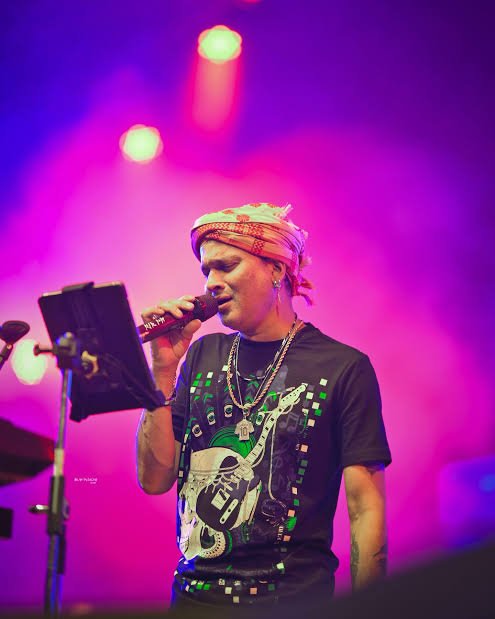
Guwahati, Dec 26: The sudden death of Assam’s renowned singer Zubeen Garg on September 19 cast a long shadow over the state’s socio-political and cultural landscape in 2025. Garg passed away while swimming during a trip to Singapore for the North East India Festival, sparking widespread public grief and controversy.
Lakhs of mourners lined the streets of Guwahati as Garg’s body was brought back home. For three days, his body lay in a stadium for public homage before cremation. Public outrage intensified as protests demanded justice and the arrest of festival director Shyamkanu Mahanta, manager Siddhartha Sharma, and others present on the yacht.
Under pressure, the Assam government formed a CID Special Investigation Team (SIT). On December 12, the SIT filed murder charges against Mahanta, Sharma, and band members Shekharjyoti Goswami and Amritprava Mahanta. Garg’s cousin, Sandipan Garg, an Assam Police officer who was present, was charged with culpable homicide, while security officers Nandeswar Bora and Paresh Baishya faced charges of conspiracy and breach of trust. The trial is ongoing, with efforts underway to fast-track proceedings in the Gauhati High Court.
Garg’s final film, Roi Roi Binale, was released on October 31 and became Assam’s highest-grossing movie to date.
Cultural and Political Developments:
2025 also marked the launch of Bhupen Hazarika’s birth centenary celebrations, inaugurated by Prime Minister Narendra Modi on September 13. Nationwide events are planned, with President Droupadi Murmu scheduled to attend the 2026 finale.
Politically, Chief Minister Himanta Biswa Sarma created a stir by alleging ISI links involving Deputy Leader of Opposition Gaurav Gogoi and his wife Elizabeth Colburn. An SIT probe into ties with Pakistani national Ali Tauqeer Sheikh submitted its report on September 10. Sarma termed it a “larger conspiracy” and proposed handing the matter to central agencies. Gogoi, now Assam Congress president, dismissed the allegations as baseless.
Opposition parties described the claims as poll tactics ahead of the 2026 assembly elections. Eight parties, including Congress, announced an alliance to challenge the ruling party. Sarma countered that Congress had conceded the 2026 and 2031 polls, projecting an NDA victory.
Sarma also intensified anti-infiltration drives, evicting encroachers from forests and ‘sattra’ properties, reporting 35–40 weekly pushbacks. Welfare schemes targeted women, girls, and students, alongside the creation of 1.5 lakh government jobs over five years. Bills banning polygamy, granting land rights to tea workers, and a sub-committee report on Scheduled Tribe status for six communities were part of broader voter consolidation efforts. The Tewary and Mehta Commission reports on 1983 violence, including the Nellie massacre, faced skepticism and were viewed as politically motivated.
Electoral outcomes in 2025 saw the BJP sweeping panchayat polls while losing control of the Bodoland Territorial Council to the Bodoland People’s Front, now an NDA ally.