Agartala, October 13, 2025: Tripura’s Power Minister Ratan Lal Nath today reaffirmed that Prime Minister Narendra Modi’s relentless efforts and people-centric schemes are transforming the lives of women, youth, farmers, and Divyangjan across the nation.
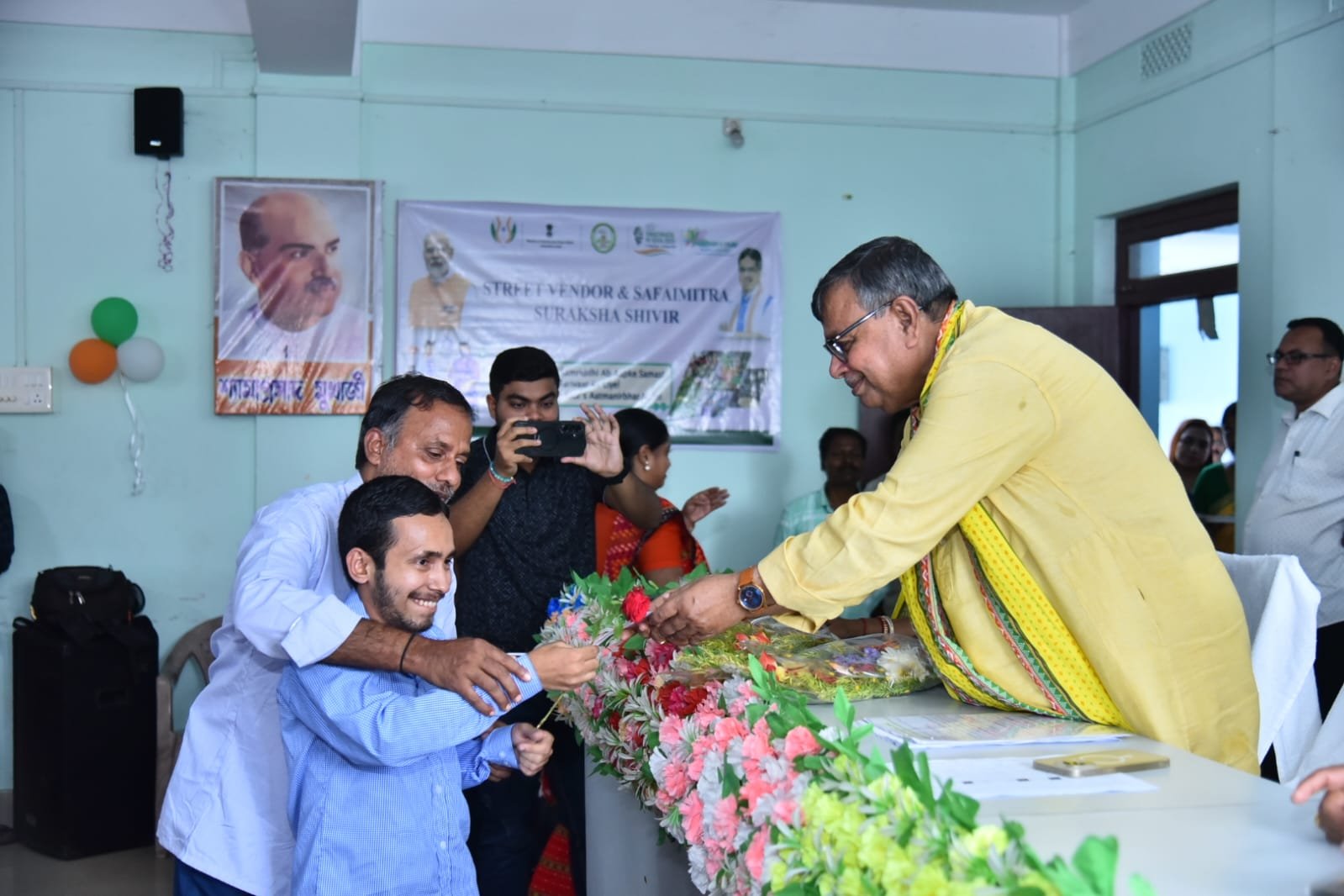
Speaking at the Block Level Observation of the 8th Poshan Maah and a sanction order distribution programme for persons with intellectual disabilities under Mohanpur Block, Nath emphasized the Prime Minister’s vision of inclusive growth.
“Prime Minister Narendra Modi has been working tirelessly for everyone’s welfare. His slogan ‘Swasth Naari, Sashakt Parivar’ truly reflects his belief that if women are empowered, educated, and healthy, the entire family and the nation progress,” Nath said, while handing over sanction orders to 15 beneficiaries.
He added, “A mother is the greatest teacher. Land and houses are now being registered in the name of women because she is the root of a family and a home. The Prime Minister has launched several schemes aimed at empowering women in all spheres of life.”
Highlighting the state’s welfare measures, the Minister informed that the Tripura Government currently provides 35 types of social allowances benefitting 3.98 lakh citizens. Of these, three categories are jointly funded by the Centre and State, while the rest are fully borne by the State Government. “Earlier, only Rs 310 crore was spent annually. Today, we are spending Rs 830 crore 60 lakh for social allowances,” Nath stated.
He further announced that under the Chief Minister’s Scheme for Persons with Intellectual Disabilities, the State Government will provide Rs 5,000 per month to eligible beneficiaries. “In the first phase, 891 individuals will receive this allowance directly into their bank accounts from October 2025, amounting to Rs 44.55 lakh,” he said, adding that the government plans to expand the coverage in future.
Explaining the significance of the term Divyangjan, Nath said, “The word ‘Divya’ means divine, and ‘Aang’ means limb — hence ‘Divyangjan’ refers to persons with divine body parts. The term, introduced in 2014, aims to promote dignity and respect for persons with disabilities.”