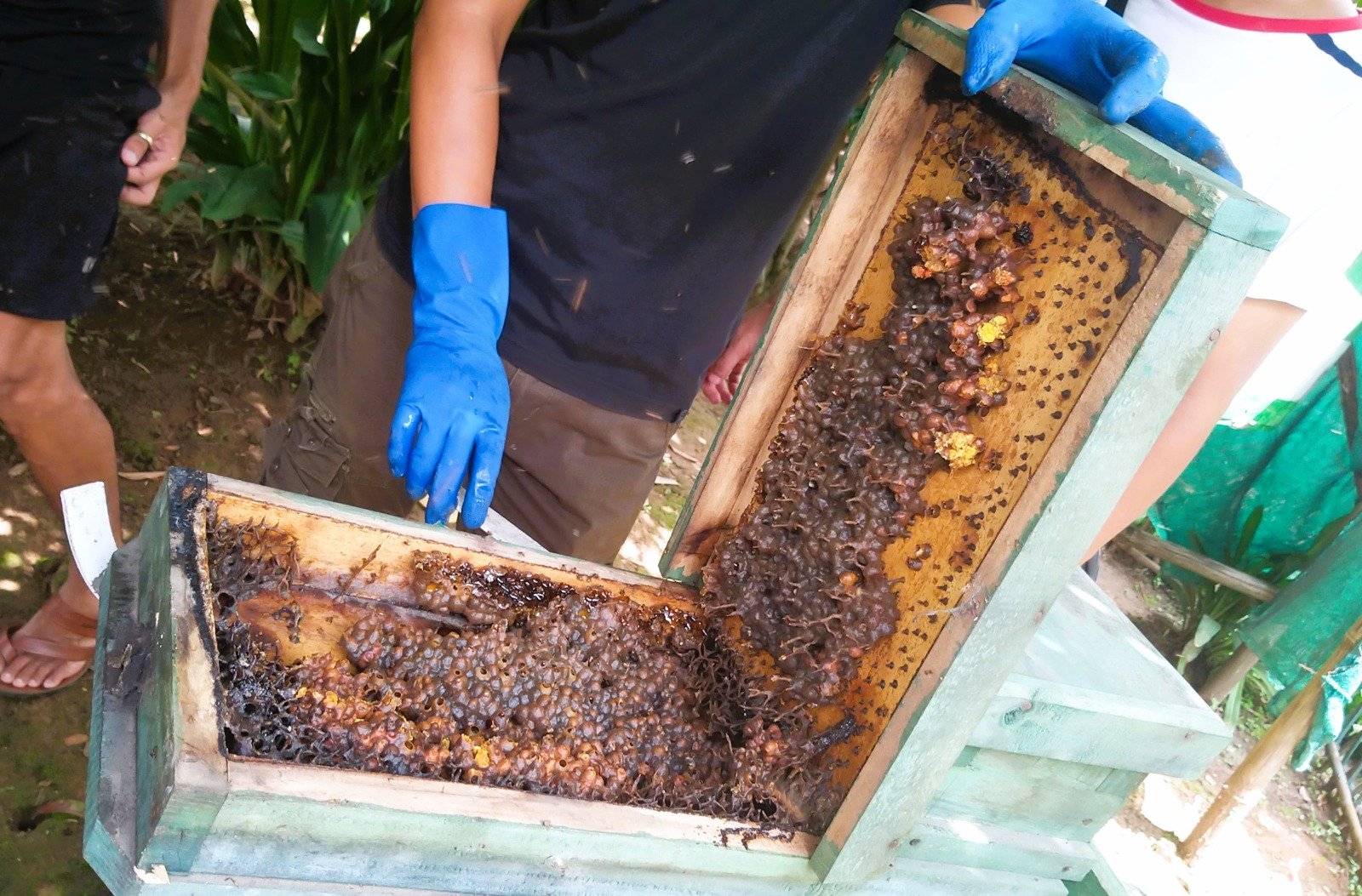
Kohima, May 26: In a landmark discovery for sustainable farming, researchers from Nagaland University have identified two stingless bee species Tetragonula iridipennis and Lepidotrigona arcifera that significantly enhance crop yield and quality through efficient pollination.
Led by Dr. Avinash Chauhan, Scientist and Principal Investigator of the AICRP on Honeybees & Pollinators, the study demonstrated how introducing stingless bees in greenhouse crop cultivation improves fruit set, seed quality, and overall productivity. The bees also produce medicinal honey, offering farmers an additional income stream.
The research showed that king chilli pollinated by stingless bees had a fruit set rate of 29.46%, compared to 21.00% in non-pollinated crops. In Capsicum annuum, the fruit set and percentage of healthy fruits increased by over 7%, while seed weight rose by 60.74% a vital factor for germination.
Stingless bees, which do not sting, present a safer alternative to traditional honeybees. The researchers emphasized the importance of conserving these pollinators along with other species like Apis dorsata, Apis florea, halictid bees, and syrphid flies to address pollination deficits in agriculture.
This research, the first of its kind in India, highlights the potential of stingless bees in crops such as cucumber, tomato, brinjal, pumpkin, ash gourd, watermelon, citrus, and dragon fruit. It also notes their role in pollinating fruit trees like mango, guava, and gooseberry.
With successful domestication and multiplication of stingless bee colonies in Nagaland, the initiative is now being expanded to Meghalaya and Arunachal Pradesh, promoting scientific beekeeping and improving farmer livelihoods.
The findings have been published in reputed journals, including the International Journal of Farm Sciences, paving the way for broader adoption of stingless bee pollination in Indian agriculture.