Sikkim is experiencing its most severe monsoon shortfall in five years, with a 35% deficit in rainfall between June 1 and July 8, 2025, according to the India Meteorological Department (IMD). The state’s six districts have been impacted, with five receiving deficient rainfall, raising concerns over agriculture, drinking water supply, and environmental stability.
The district-wise rainfall deficit reveals a grim picture, with Gyalshing recording the highest deficit at 49%, followed by Gangtok at 37%, Mangan at 34%, Pakyong at 23%, and Namchi at 20%. Soreng is the only district that has fallen under the “normal” category, with a 13% departure from the normal rainfall.
This year’s monsoon pattern marks a significant shift from the past four years, which witnessed either normal or excess rainfall. According to IMD data, 2024 saw a 68% excess, 2023 had 18% excess, 2022 recorded 44% excess, and 2021 saw 15% excess rainfall. The sharp decline in rainfall has made 2025 the worst monsoon year in half a decade for the Himalayan state.
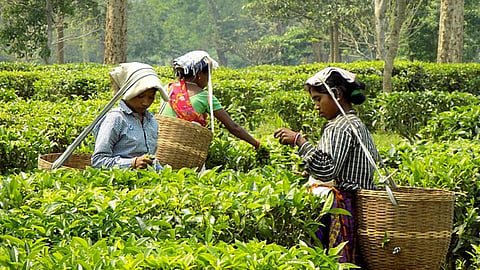
The monsoon shortfall has raised concerns about the potential impact on agriculture, water availability, and the overall ecological balance in Sikkim. The state authorities are likely to take measures to mitigate the effects of the rainfall deficit and ensure the well-being of its citizens.