Agartala, February 20, 2026: Tribal communities living in several non-tribal dominated areas of the state continue to suffer from acute shortages of basic amenities, with drinking water, proper roads and sewage systems emerging as long-neglected concerns. Locals have accused the ADC administration of prolonged mismanagement, alleging that decades of governance have failed to bring lasting solutions.
Residents claimed that the 35-year rule of the Left Front, followed by the past five years under the present ADC administration, have not addressed their fundamental problems. As a result, everyday life in these areas remains fraught with hardship.
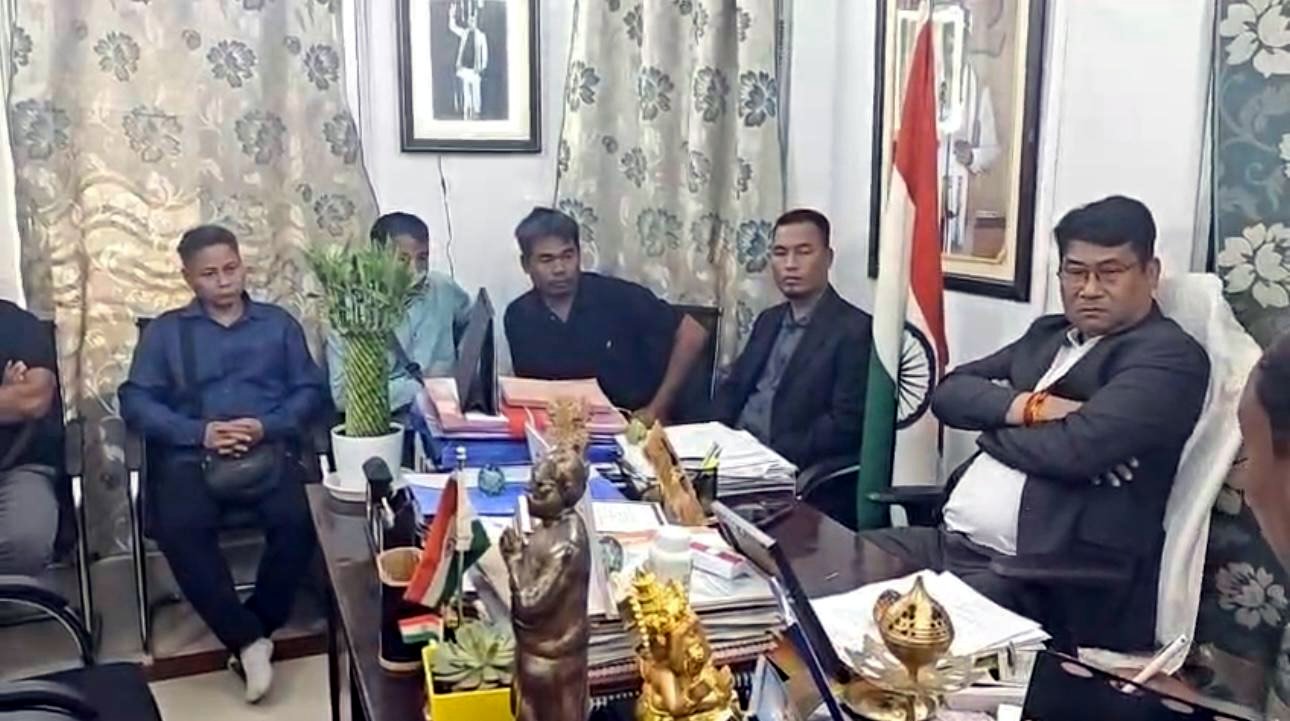
On Friday, aggrieved residents from Ultachhara in Raima Valley under Dhalai district, the Bru Refugee Rehabilitation Centre in Kalajhari and nearby villages travelled to Agartala to meet Tribal Welfare Minister Bikash Debbarma at his official residence. They alleged that chronic drinking water scarcity and severely damaged roads have made daily life miserable for years. During the monsoon, muddy and waterlogged roads often cut off access to schools, markets and health centres. In many cases, residents depend on distant tubewells or natural springs for drinking water, raising serious health concerns.
The locals further alleged that administrative apathy has turned their suffering into a political issue, with assurances made but little action on the ground. Responding to the delegation, Minister Debbarma assured immediate intervention and directed the concerned departments to take urgent steps. “Politics should not be capitalised on the deprivation of common people. Development must rise above party lines, and the government is committed to permanently resolving issues faced by those deprived of their basic rights for years,” he said.
The minister also accused certain political leaders of exploiting tribal sentiments without offering real solutions, particularly in areas like the Bru Rehabilitation Centre. According to the administration, an urgent survey will be conducted in the affected areas, followed by proposals for improving drinking water facilities and road connectivity. However, after years of neglect, residents of Raima Valley and Kalajhari continue to wait anxiously, hoping that this time the promises will finally translate into relief.