Agartala, February 6, 2026: Tipra Motha Party founder and Tripura royal scion Pradyot Bikram Manikya has announced plans to move court against the state government, alleging that portions of Sixth Schedule district council land are being illegally converted into a Nagar Panchayat.
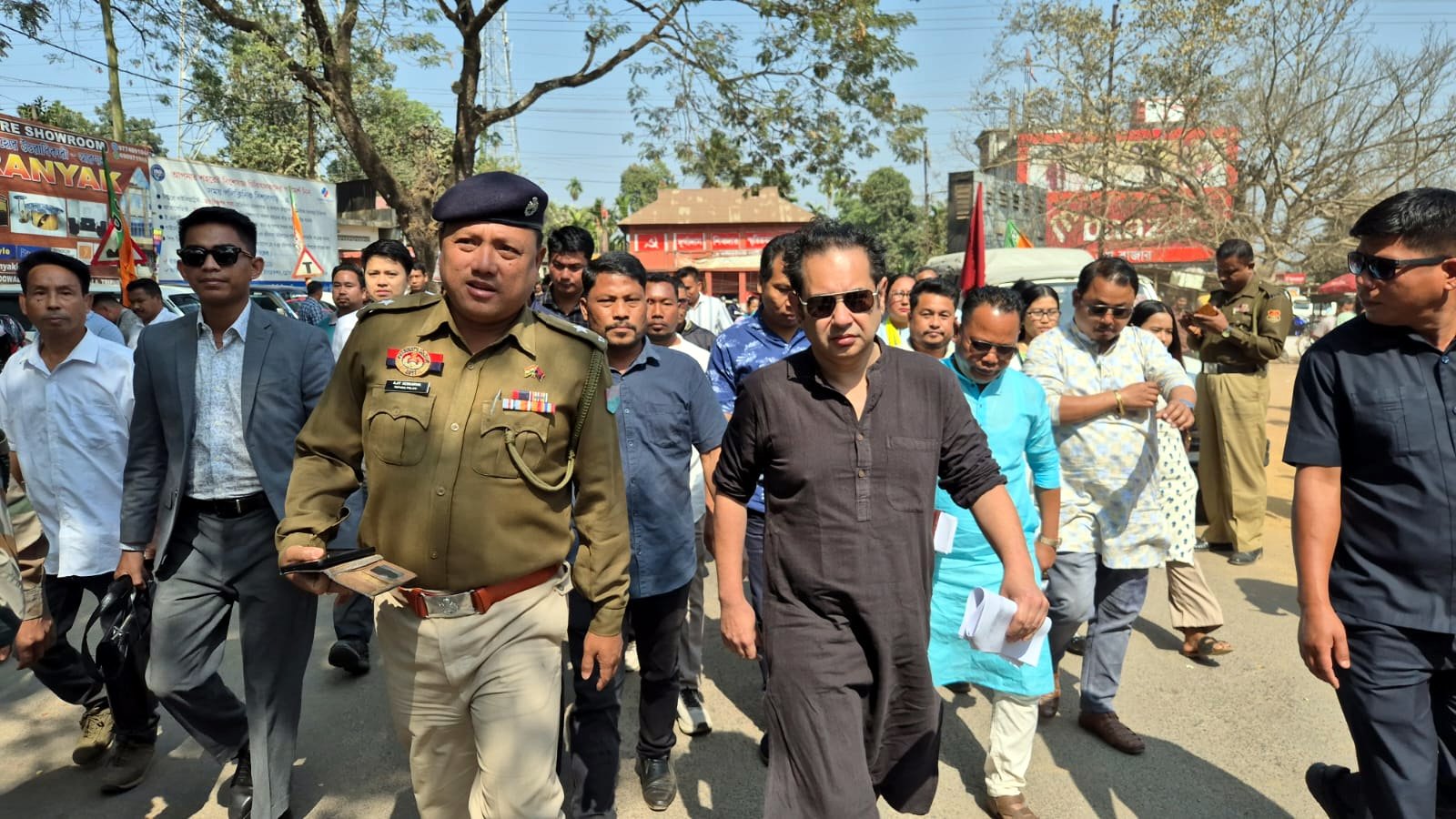
The announcement came after his visit to Bishramganj in Sepahijala district, where he held discussions with officials regarding the demarcation of Tripura Tribal Areas Autonomous District Council (TTAADC) land in connection with the Bishramganj Nagar Panchayat.
Pradyot was joined by TTAADC Chief Executive Member Purna Chandra Jamatia, former CEO C.K. Jamatia, and other party leaders during meetings with district officials, including SDM Bishramganj Binky Saha, who also serves as Executive Officer of the Nagar Panchayat. The talks focused on the government’s notification to convert parts of council land—a move Pradyot has vowed to contest legally.
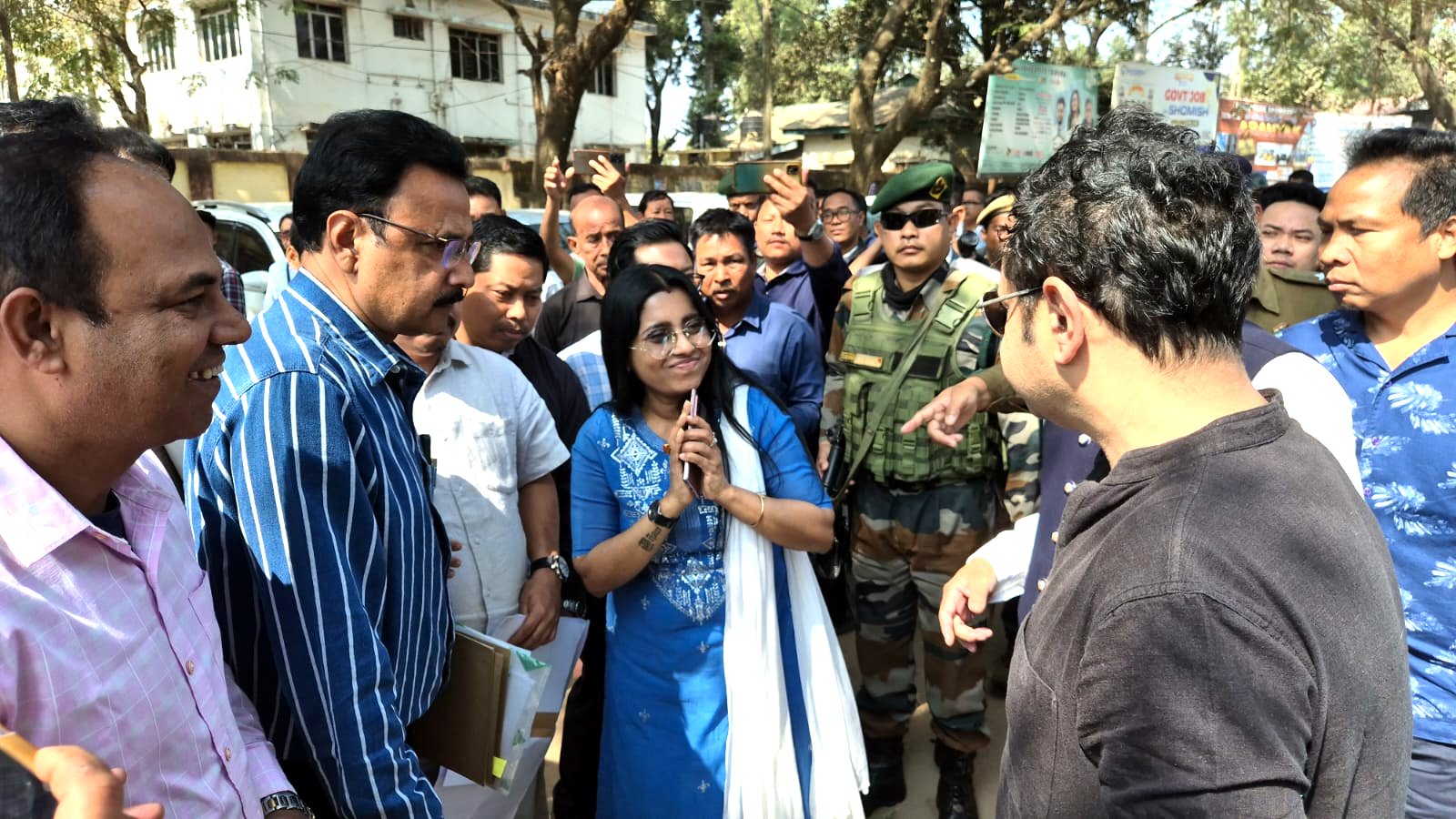
“The government cannot create a Nagar Panchayat within district council areas. They claim past elections justify this, but it is illegal. We have maps and proper documentation, while they rely only on mouja records and old polls,” Pradyot said, describing the move as a “forceful occupation.”
He stressed that the issue was not opposition to Nagar Panchayats themselves but to the arbitrary conversion of tribal council land. “Elections may come and go, but no one can take land illegally. Citizens must be aware and act. We will do whatever is necessary to uphold the law,” he added, citing Nandan Nagar in Agartala as an example of tribal settlements vulnerable to such conversions.
Local tribal leaders view the Bishramganj incident as part of a wider debate over land rights and the application of the Sixth Schedule, which provides constitutional safeguards for tribal areas. They argue that bypassing consultation and legal compliance undermines community rights.
Pradyot concluded by asserting that the law prohibits the establishment of a Nagar Panchayat within district council areas, pledging to defend tribal autonomy through legal means. The case is expected to test the limits of administrative authority and the protection of tribal land in Tripura.