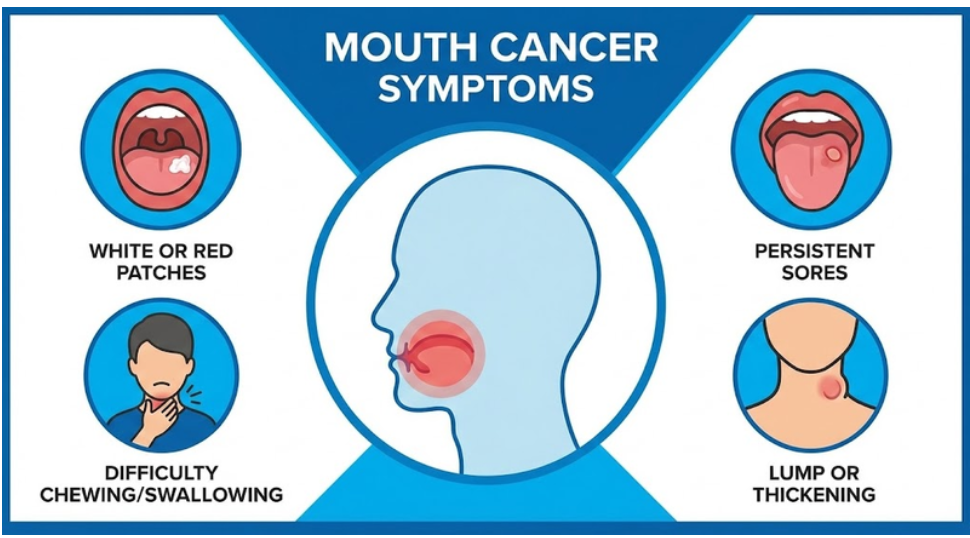
Mouth cancer treatment does not affect only the tumour. It often takes a toll on everyday functions that most people take for granted, such as eating, swallowing, speaking, and tasting food. Many patients experience persistent pain, swelling, mouth ulcers, dry mouth, and extreme fatigue. These challenges are closely linked to common mouth cancer symptoms and can intensify during chemotherapy, radiation therapy, or surgery.
When eating becomes painful or exhausting, nutritional intake often drops, slowing recovery and weakening the body’s ability to cope with treatment. While medical care remains the cornerstone of cancer management, nutrition plays a critical supportive role. Choosing the right foods can help reduce inflammation, protect sensitive oral tissues, and make daily meals more manageable during treatment.
Anti-inflammatory foods are particularly valuable during this phase, as they help calm irritated tissues, support healing, and maintain strength when the body needs it most.
Why Anti-Inflammatory Foods Matter During Mouth Cancer Treatment?
Cancer treatments can cause inflammation in the lining of the mouth and surrounding tissues, leading to soreness, ulcers, and delayed healing. Inflammation also increases discomfort and can make oral hygiene difficult, raising the risk of infections.
Anti-inflammatory foods contain naturally occurring compounds such as antioxidants, omega-3 fatty acids, and phytonutrients. These help reduce tissue irritation, support immune function, and assist in cellular repair. When combined with regular clinical assessments and investigations, including imaging tests such as a PET scan in Pune to monitor treatment response, dietary support becomes an important part of comprehensive cancer care.
- Soft Fruits That Soothe the Mouth
Fruits rich in vitamins and antioxidants help reduce oxidative stress caused by cancer treatment. Soft-textured fruits are especially suitable when chewing or swallowing is uncomfortable.
Bananas are gentle on the mouth and provide potassium and energy. Papaya supports digestion and contains enzymes that may help ease inflammation. Berries such as blueberries and strawberries are high in antioxidants but should be consumed mashed or blended if mouth sores are present. Stewed apples without added sugar are another soothing option.
Citrus fruits should be avoided if they cause stinging or irritation.
- Vegetables That Support Healing and Immunity
Vegetables are an essential source of vitamins, minerals, and plant compounds that help regulate inflammation and support immune health. During treatment, they are best consumed well-cooked to reduce irritation.
Leafy greens such as spinach, along with bottle gourd, provide nutrients that support tissue repair. Carrots and pumpkin are rich in beta-carotene and can be prepared as soups or smooth purées. Broccoli and cauliflower contain compounds that support the body’s natural defence systems and may help manage treatment-related inflammation.
Cooking vegetables until soft makes them easier to eat and gentler on sensitive oral tissues.
- Healthy Fats That Reduce Inflammation
Healthy fats play an important role in controlling inflammation and maintaining body weight during treatment, especially when appetite is low.
Flaxseeds and chia seeds provide omega-3 fatty acids and can be added to smoothies or soft porridges. Olive oil is a healthier alternative to refined cooking oils. Walnuts, when ground or blended, offer both healthy fats and antioxidants.
These fats also support brain function and energy levels, which are often affected during cancer treatment.
- Protein-Rich Foods for Tissue Repair
Protein is essential for healing, immune strength, and recovery, particularly when oral tissues are damaged by treatment. Soft, moist protein sources are usually easier to tolerate.
Curd and yoghurt help soothe the mouth and support gut health. Soft-cooked paneer provides high-quality protein. Moong dal, masoor dal, and lentils can be prepared as thin, smooth soups. Eggs, especially scrambled or softly boiled, are nutrient-dense and easy to consume.
Adequate protein intake helps reduce muscle loss and supports faster healing.
- Anti-Inflammatory Spices Used Carefully
Some spices offer anti-inflammatory and antioxidant benefits when used in small, non-irritating amounts.
Turmeric contains curcumin, which has been studied for its inflammation-reducing properties and can be added lightly to soups or warm milk. Ginger may help reduce nausea and support digestion. Cinnamon adds flavour and may help regulate blood sugar levels.
All spices should be mild and should never cause burning or discomfort in the mouth.
- Hydrating Foods to Manage Dry Mouth
Dry mouth is a common side effect of radiation therapy and certain medications. Adequate hydration helps reduce discomfort and lowers the risk of oral infections.
Coconut water provides natural electrolytes and is gentle on sensitive tissues. Cucumber and bottle gourd have high water content and can be consumed cooked or blended. Clear vegetable soups help maintain hydration while providing nutrients.
Taking small, frequent sips throughout the day is often more comfortable than drinking large amounts at once.
Foods to Limit During Treatment
Some foods can worsen inflammation or damage sensitive oral tissues during treatment.
Very spicy, fried, acidic, or coarse foods should be avoided. Hard and crunchy items may injure mouth ulcers. Sugary foods can increase the risk of infections, particularly when immunity is low. Alcohol and tobacco must be strictly avoided, as they can aggravate mouth cancer symptoms and interfere with healing.
Nutrition as Part of Overall Cancer Care
Nutrition alone cannot treat cancer, but it plays a vital supportive role throughout the treatment journey. When combined with medical care, regular evaluations, and imaging investigations such as a PET scan in Pune, appropriate dietary choices help patients tolerate treatment better and maintain strength.
Because treatment side effects and nutritional needs vary from person to person, personalised dietary guidance is often recommended.
Comprehensive cancer care providers like Onco-Life Cancer Centre, supportive care focuses not only on clinical treatment but also on patient comfort, recovery, and long-term quality of life.
Final Thoughts
Managing mouth cancer treatment side effects requires consistent care, informed choices, and patience. Anti-inflammatory foods can help reduce pain, swelling, and irritation while supporting healing and energy levels.
Always consult your oncology care team or a qualified nutrition professional before making dietary changes. With the right medical guidance and supportive nutrition, patients can move through treatment with greater comfort and confidence.