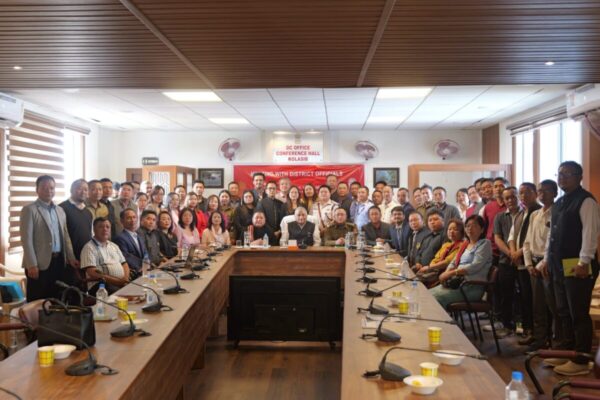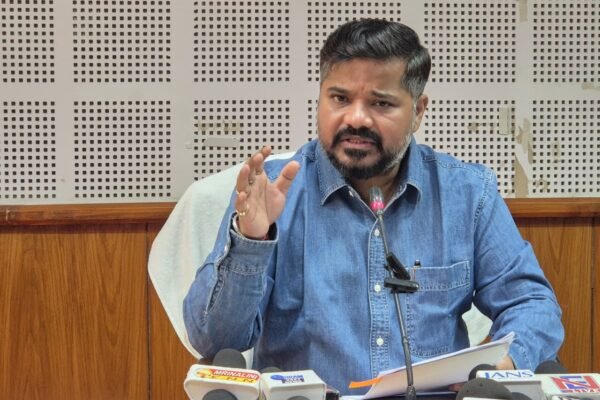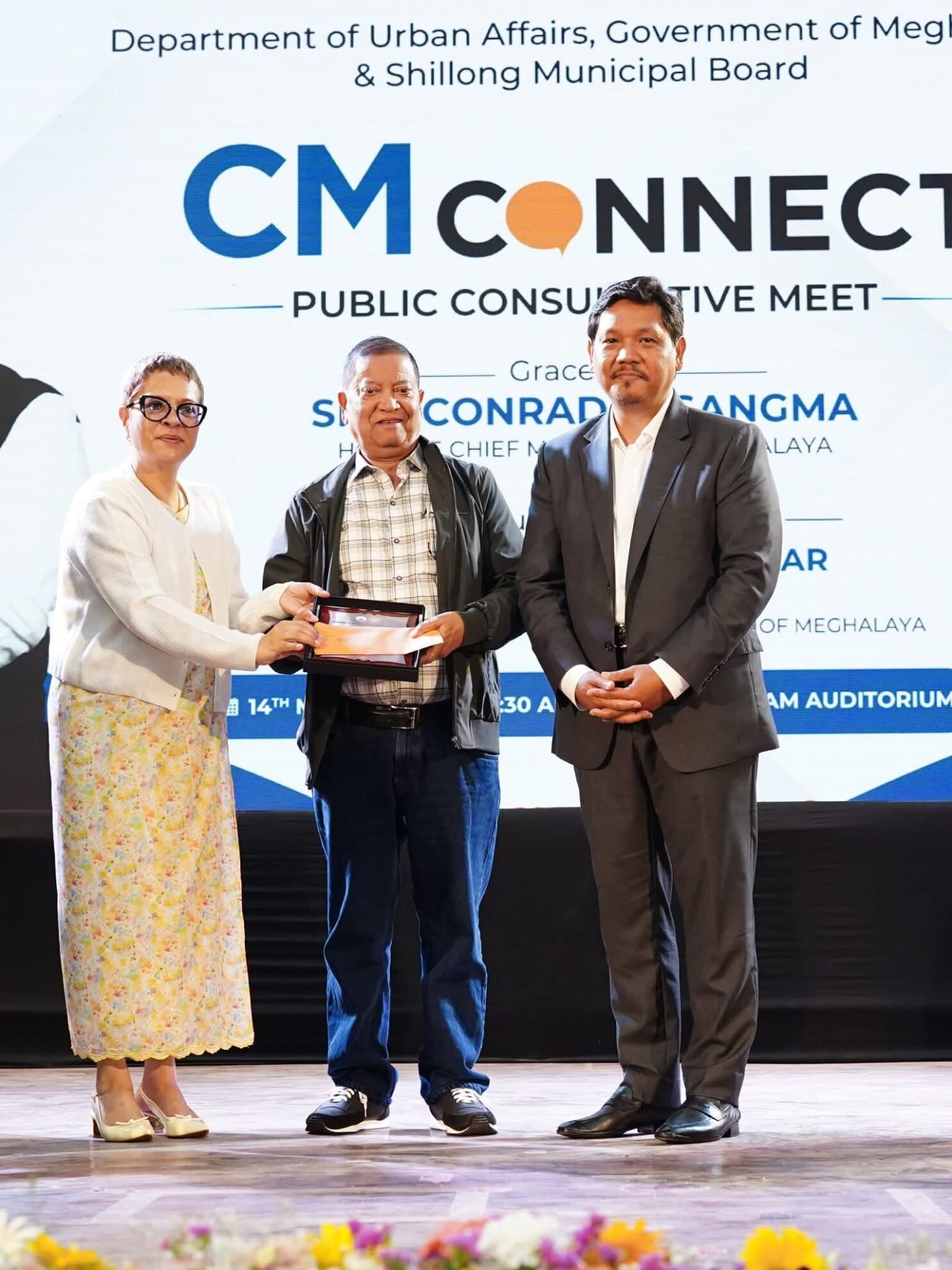
Shillong, May 14: Chief Minister Conrad K. Sangma on Thursday attended the CM Connect Public Consultative Meet at U Soso Tham Auditorium, Shillong, organised by the Department of Urban Affairs in collaboration with the Shillong Municipal Board. Deputy Chief Minister Sniawbhalang Dhar, senior officials, community leaders, and citizens from across the city joined the programme.
Addressing the gathering, the Chief Minister described CM Connect as a listening exercise aimed at strengthening democratic accountability. He emphasised that governance must remain adaptive and responsive, noting that public feedback should continuously inform decision-making. Sangma explained that the initiative evolved from the need for structured citizen engagement, calling it “an idea that the Chief Minister must remain continuously connected with the people.”
He outlined the system’s structure, which integrates a centralised grievance platform with a 1971 call centre mechanism, enabling complaints to be tracked, monitored, and escalated when delayed. The model, he said, has also served as an emergency response tool and will be expanded through MLA Connect and DC Connect to ensure regular engagement at the local level.
The Chief Minister acknowledged challenges in waste management, roads, and civic infrastructure, urging constructive solutions alongside criticism. He stressed that governance requires humility and openness to correction, adding that cooperation between citizens and officials is essential for effective delivery.
Deputy Chief Minister Dhar emphasised the strong participation of youth and collaboration between departments, traditional institutions, and community leaders. He reiterated the government’s commitment to inclusive urban development, youth empowerment, and improved civic infrastructure, noting that results will become increasingly visible.
During the programme, the Chief Minister launched the Artist Engagement Scheme to promote public art, distributing mobilisation cheques of ₹20,000 to selected artists. A locality grading initiative was also introduced, recognising top-performing neighbourhoods with cash awards of up to ₹12 lakh for cleanliness and environmental practices.
An interactive session followed, where citizens raised concerns about water supply, drainage, street lighting, and power interruptions. Officials responded with updates on ongoing interventions, including transformer upgrades and phased infrastructure rollout. Sangma underscored the need for clearer institutional responsibility and announced plans for integrated monitoring to improve coordination.
The discussion also touched on infrastructure planning for upcoming events such as the National Games, with projects underway in Shillong, Tura, and Jowai to strengthen sports facilities and youth development. Broader reforms in inter-departmental coordination, police visibility, and community-led initiatives were also emphasised.
The programme concluded with a vote of thanks by Urban Affairs Director P.K. Boro