
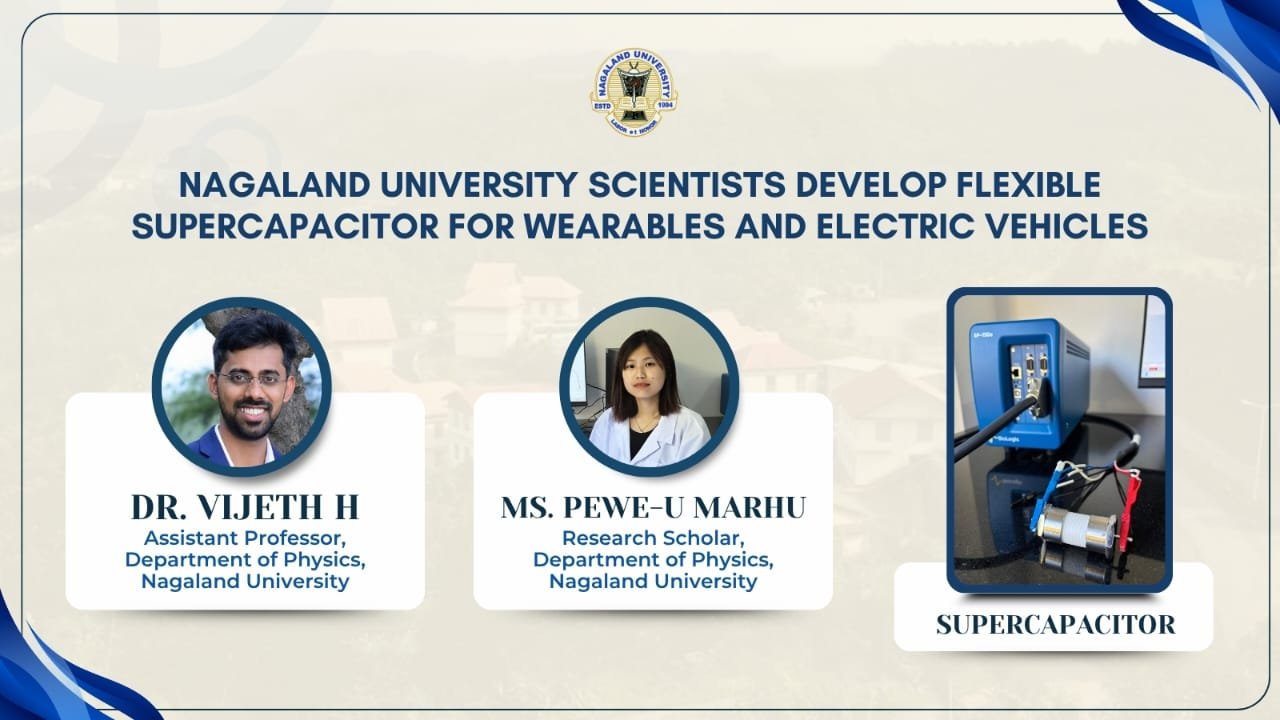
Researchers at Nagaland University have developed a flexible supercapacitor capable of powering next-generation wearable electronics, electric vehicles (EVs), and renewable energy systems, marking a significant advancement in energy storage technology.
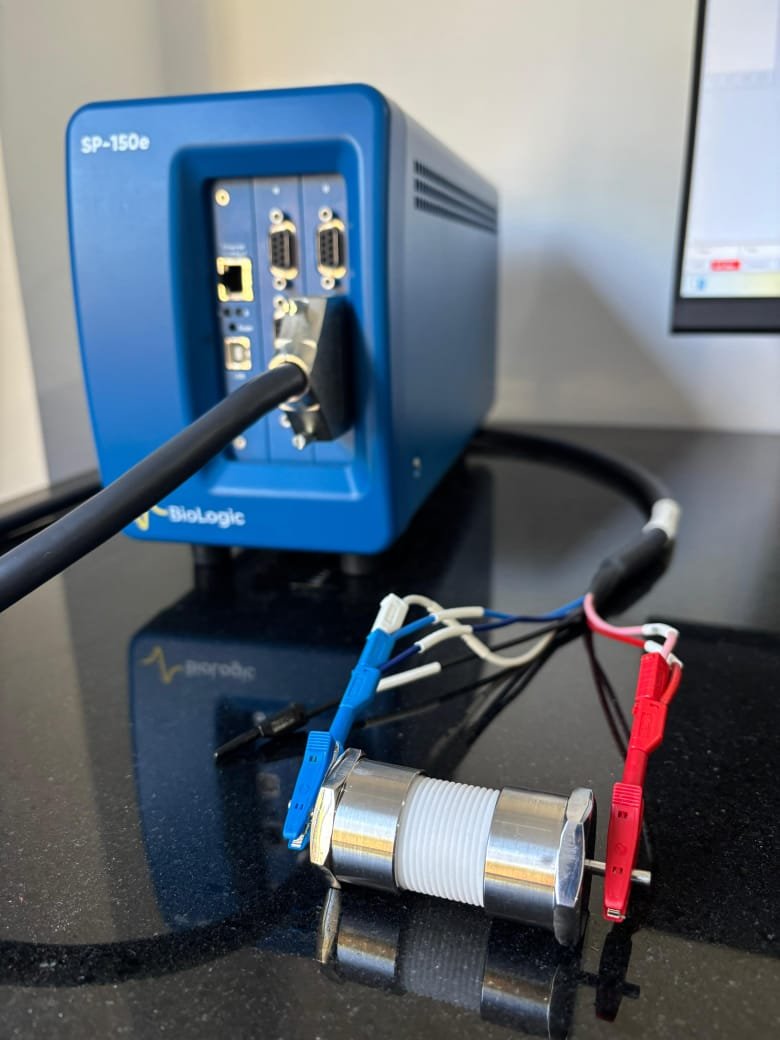
The study, the first of its kind, compared the effects of tungsten, vanadium, and cobalt doping in molybdenum diselenide (MoSe₂) for energy storage. Going beyond laboratory-scale material development, the team successfully built a working prototype, demonstrating the device’s practical viability.
The flexible supercapacitor, created at the Advanced Materials for Device Applications (AMDA) Research Laboratory on the Lumami campus, uses cobalt-doped MoSe₂, a cutting-edge two-dimensional material. It delivers an energy density of 34.54 W h kg⁻¹, maintains stability over 10,000 charge–discharge cycles, and retains performance even after repeated bending and twisting.
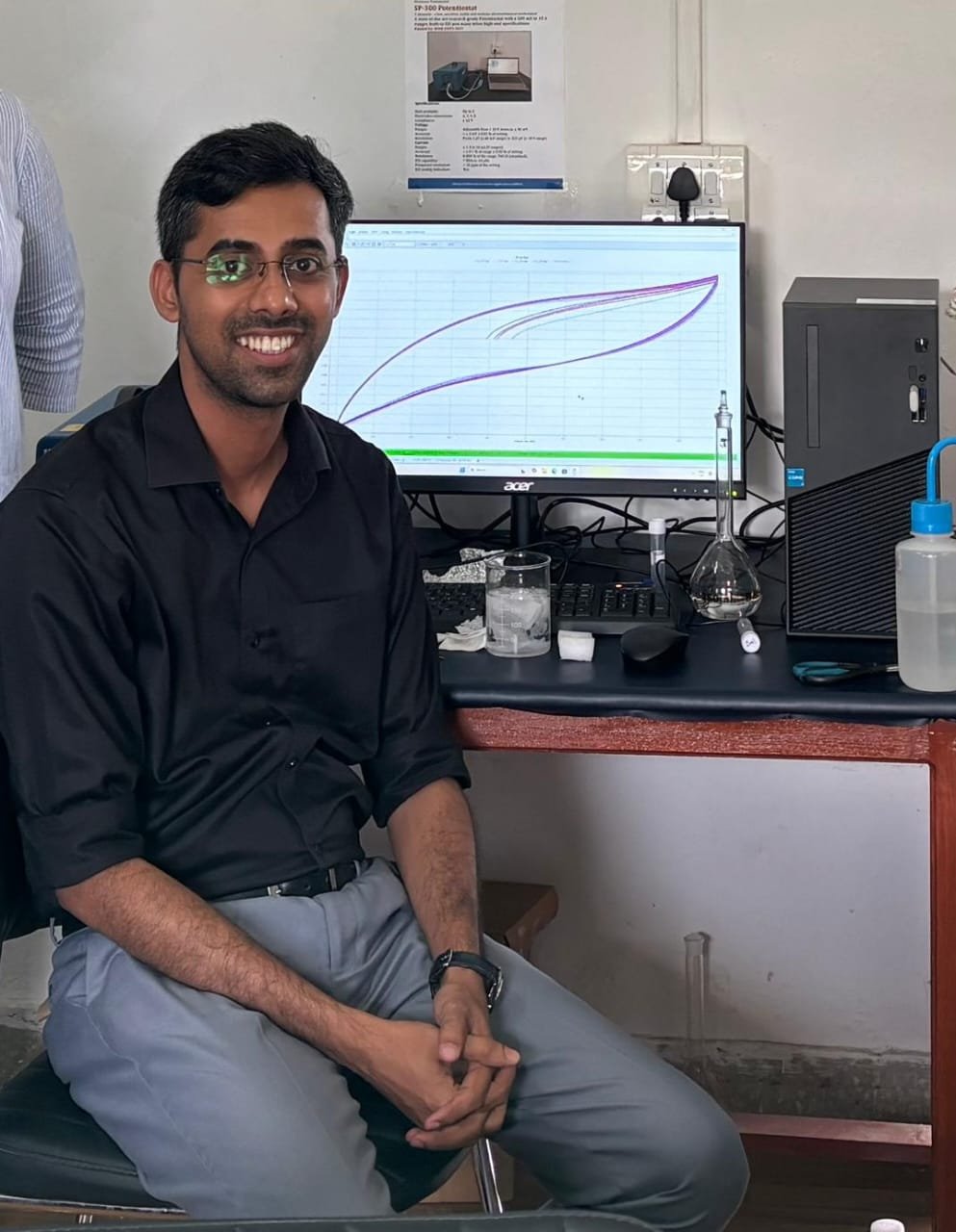
Lead researcher Dr. Vijeth H, Assistant Professor, Department of Physics, said, “This device combines flexibility, high energy storage, and durability, which are critical for future portable and wearable technologies. Among the materials tested, cobalt proved most effective. The eco-friendly hydrothermal process we used makes the technology scalable for industrial adoption.”
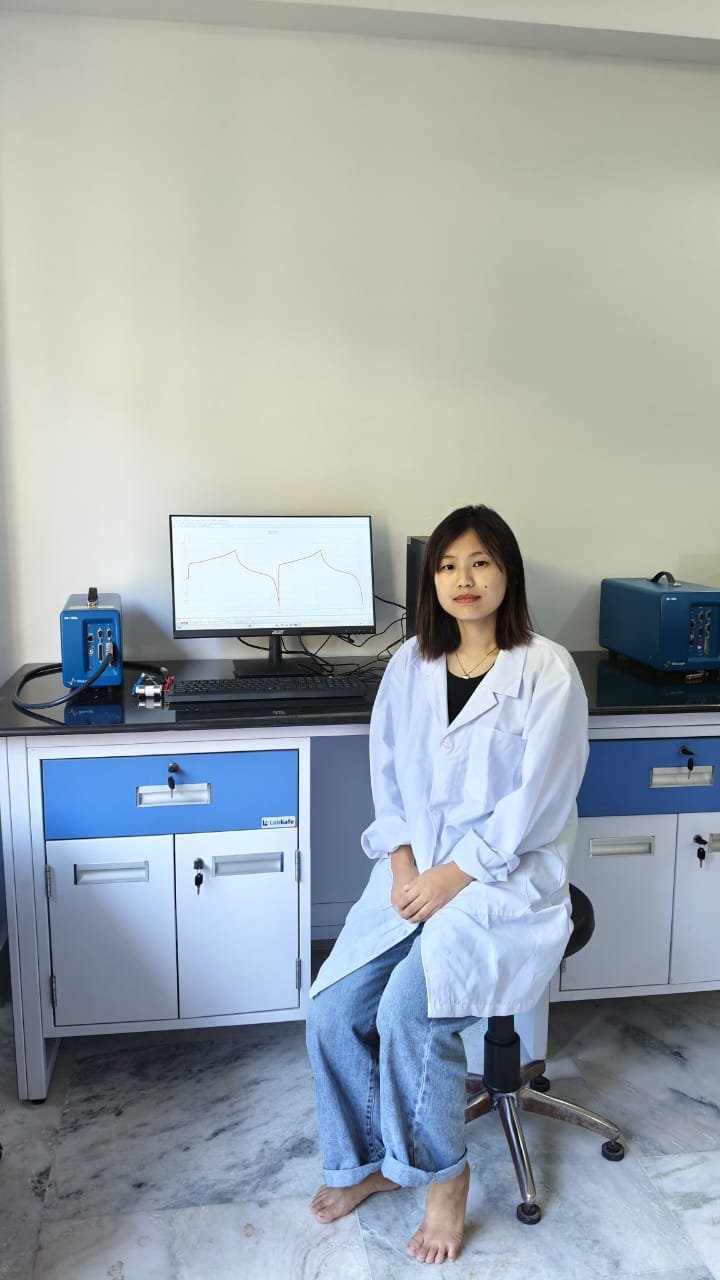
Research scholar Pewe-u Marhu added that the next steps involve optimising the electrode–electrolyte interface, improving safety with solid-state gel electrolytes, and scaling up production. Industry collaborations are also being explored to bring the technology closer to commercial use.
The innovation has immediate applications in health-monitoring devices, IoT gadgets, and robotics, and also holds potential for electric vehicles, where it could enhance regenerative braking, provide acceleration boosts, and extend battery life. The research was fully carried out at Nagaland University with advanced support from the Indian Institute of Science (IISc) Bangalore through its INUP Program and funded by the Anusandhan National Research Foundation (ANRF), Government of India.
Nagaland University, the 13th Central University in India and the only central university in the state, was established in 1994. It currently operates three campuses—Lumami, Kohima, and Medziphema—and has 43 departments and 76 affiliated colleges across Nagaland.




1 Comment. Leave new
Congrats to both..