India has proposed the Living Root Bridges of Meghalaya and the Ancient Buddhist Site at Sarnath for inscription on the UNESCO World Heritage List, Union Culture Minister Gajendra Singh Shekhawat confirmed in a written reply to the Lok Sabha on Monday.
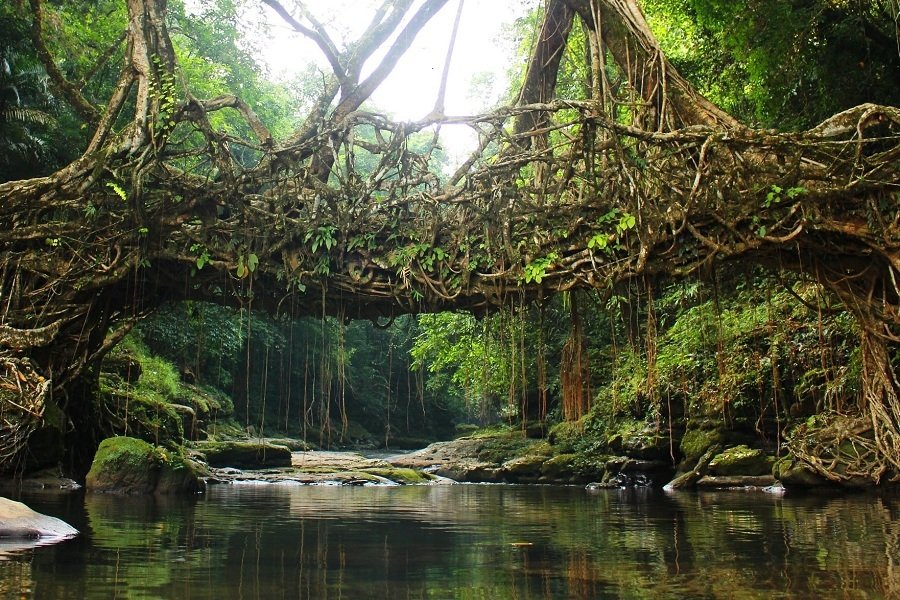
The Living Root Bridges, part of the ‘Jingkieng Jri/ Lyu Charai Cultural Landscape’, have been nominated for the 2026-27 cycle. The bridges, cultivated by Khasi tribal communities from Ficus trees, connect over 75 remote villages in Meghalaya’s subtropical forests. They are noted for their role in disaster resilience and reflect centuries-old indigenous knowledge and collective traditions.
The Sarnath site in Uttar Pradesh has been submitted for consideration in the 2025-26 cycle.
India currently has 44 UNESCO World Heritage properties, comprising 36 cultural, seven natural, and one mixed site, managed by various authorities. The Archaeological Survey of India (ASI) maintains 3,686 monuments, including 27 World Heritage sites, and provides infrastructure such as pathways, landscaping, and visitor facilities.
Recent additions to India’s UNESCO list include Assam’s Moidams (Ahom burial mounds, 2024), Maharashtra’s Maratha Military Landscapes (2025), Bihar’s Nalanda ruins and Mahabodhi Temple, Gujarat’s Rani ki Vav and Ahmedabad city, Mumbai’s Chhatrapati Shivaji Terminus, Jaipur’s Jantar Mantar, and natural sites like Assam’s Kaziranga, West Bengal’s Sunderbans, and Himachal Pradesh’s Great Himalayan National Park.