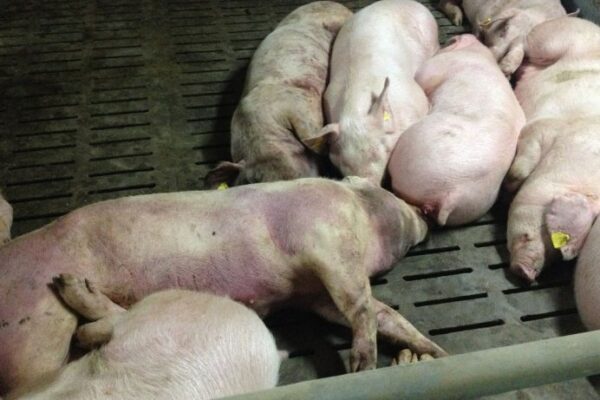
Kohima, May 23: The Nagaland government has stepped up surveillance and containment measures after African Swine Fever (ASF) was detected in several districts, prompting bans and restrictions on the sale, transport, and import of pigs and pork products.
According to an official statement, the Directorate of Animal Husbandry and Veterinary Services is coordinating with district veterinary officers and field staff to conduct surveillance, awareness campaigns, sample collection, and enforce bio‑security protocols.
In Mon district, authorities have temporarily banned pork sales and prohibited the movement of live pigs. Dimapur district has declared infected and surveillance zones after ASF cases were confirmed in Signal Angami village, restricting slaughter and transport of pigs and pork products. Similarly, Medziphema subdivision in Chumoukedima district has mandated prior permission for commercial slaughter and sale, while Mokokchung district has advised residents to avoid pork consumption in affected areas under Tuli subdivision, where outbreaks were reported in Chungtia, Kangtsungyimsen, and Shitikolak ward.
Restrictions have also been imposed in parts of Peren and Niuland districts, leading to the closure of pork shops in Kohima and other areas. The directorate emphasized that ASF, though highly contagious among pigs, does not affect humans and poses no public health risk. However, it warned of severe economic consequences for pig farmers if the disease spreads unchecked.
Authorities have urged farmers and traders to maintain strict hygiene and bio‑security standards, avoid unauthorized movement of pigs, and report sudden sickness or deaths to veterinary offices. The public has also been cautioned against improper disposal of carcasses in rivers, forests, or open spaces, as this could worsen the outbreak.
The directorate appealed for public cooperation, discouraged panic and misinformation, and commended the efforts of veterinary officers, doctors, and mobile units working on the ground. It reaffirmed its commitment to scientific and administrative interventions to safeguard the livelihoods of pig farmers and protect Nagaland’s pork economy, which is central to local diets and traditions.